









|
EN
Get a Quote

PDF/STEP

China Electric Forklift Cylinder Market Share
0 %
Annual Cylinder Output
0 M
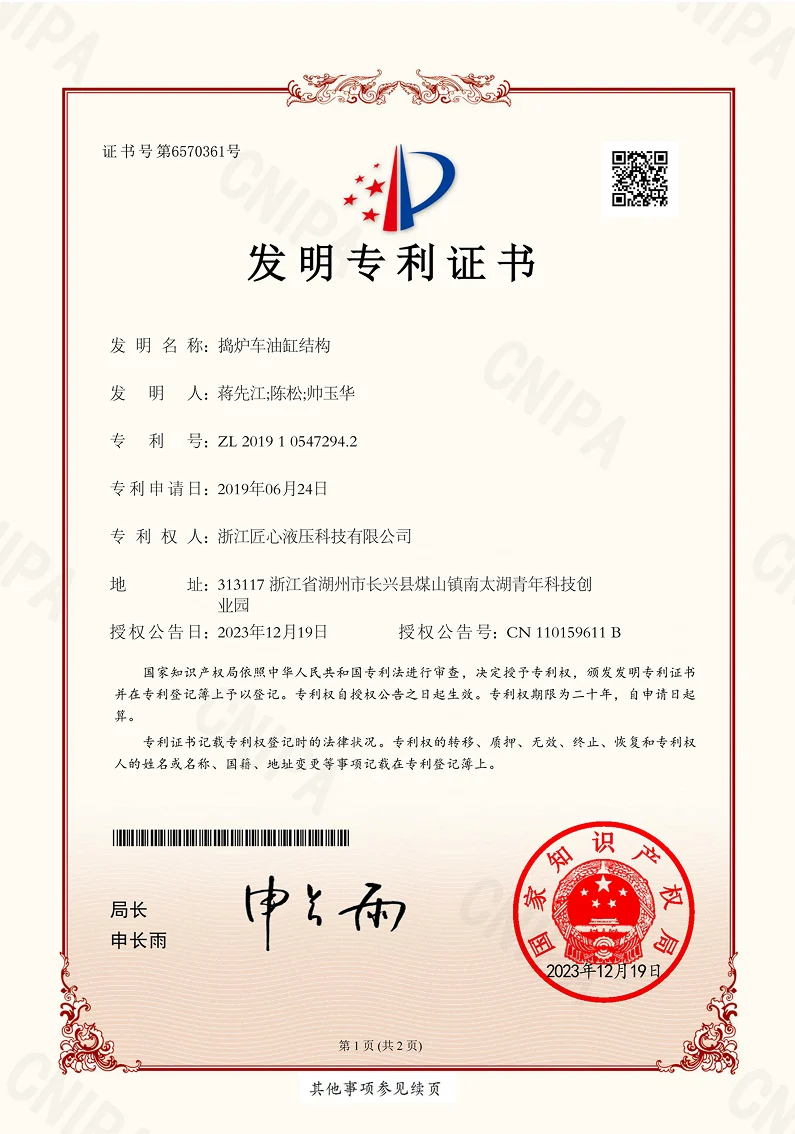
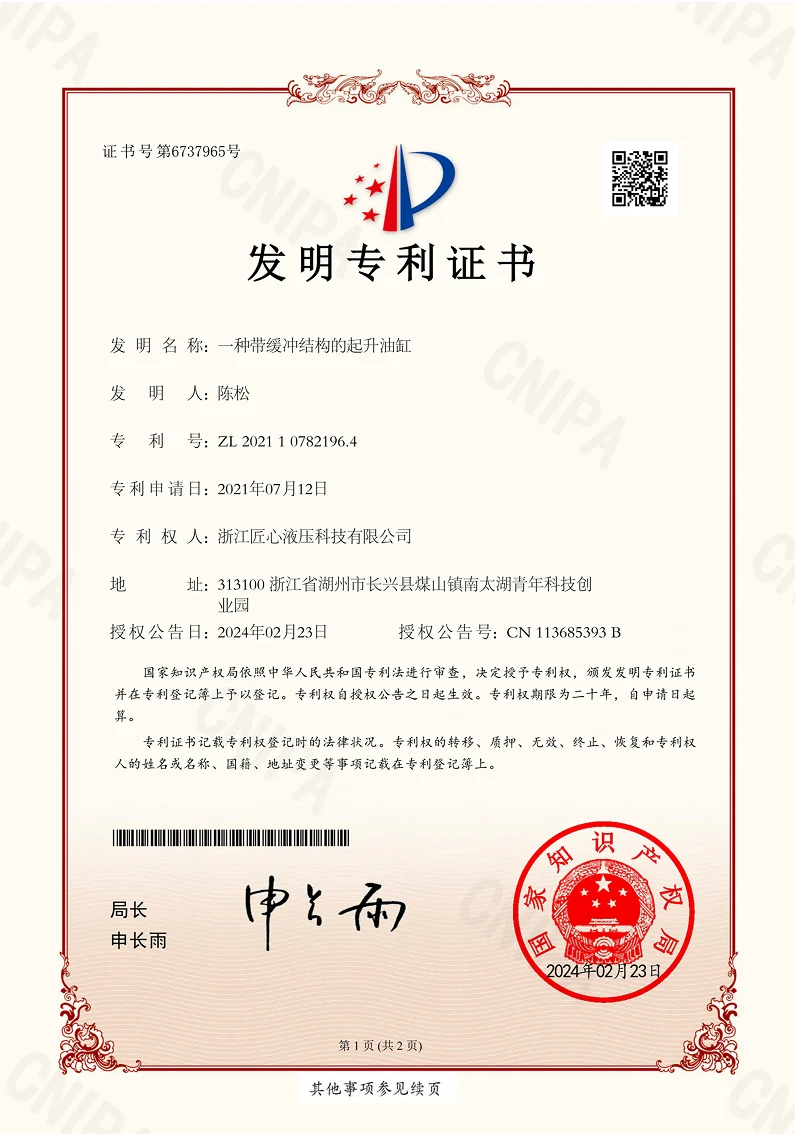
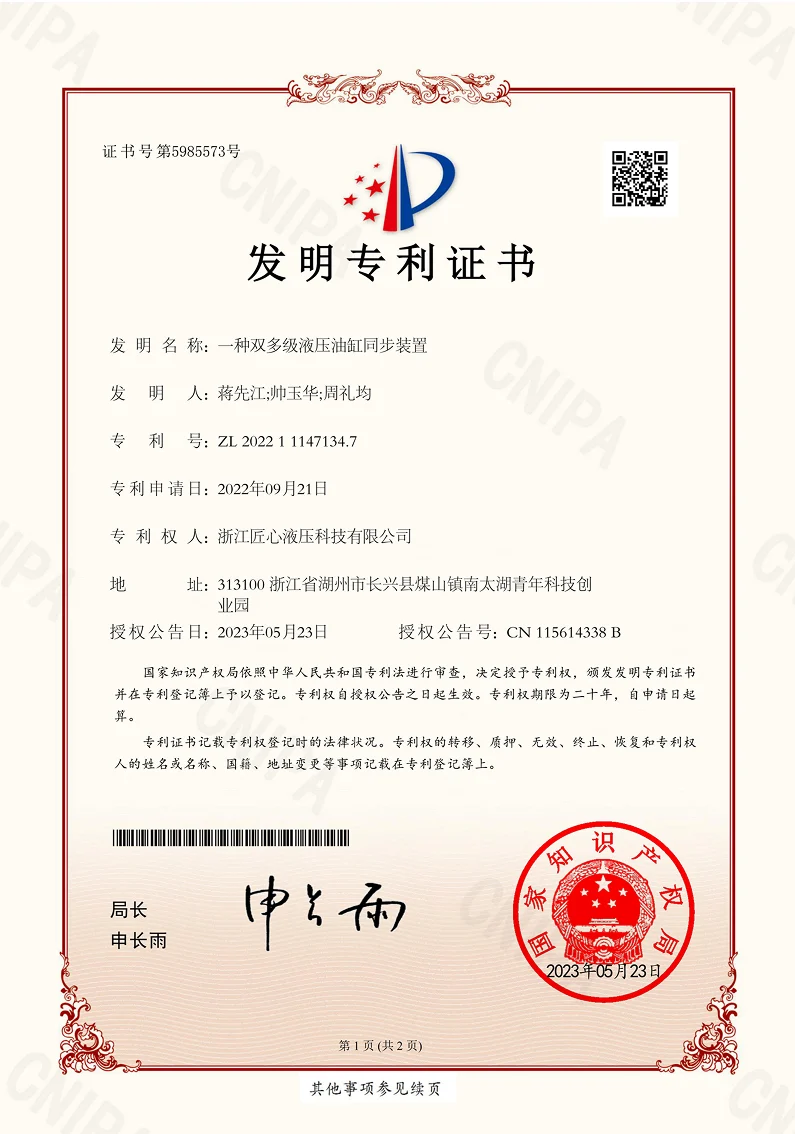
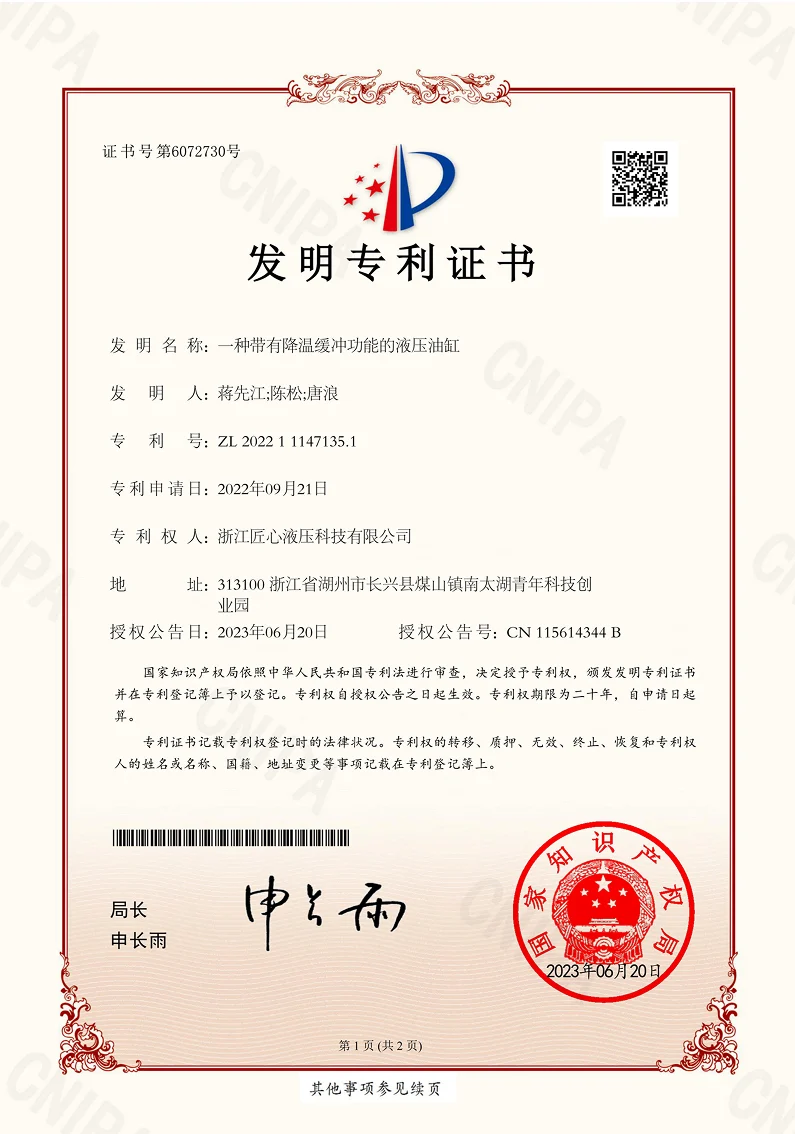
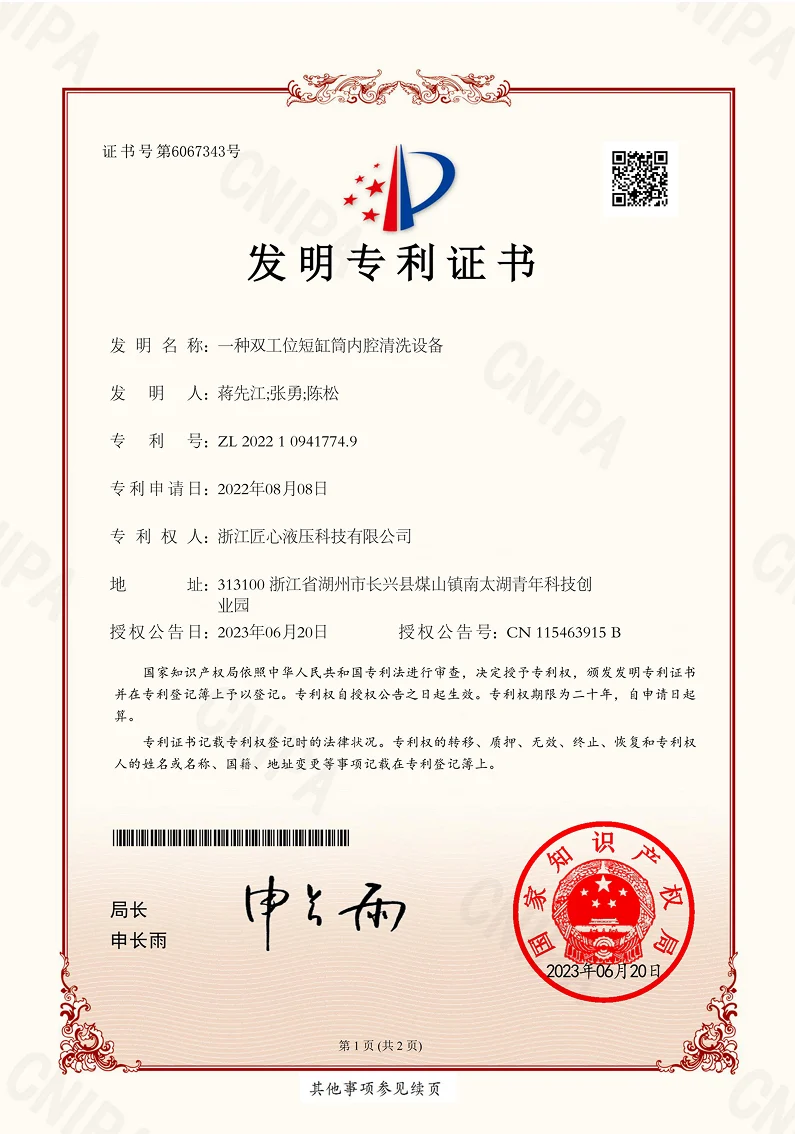
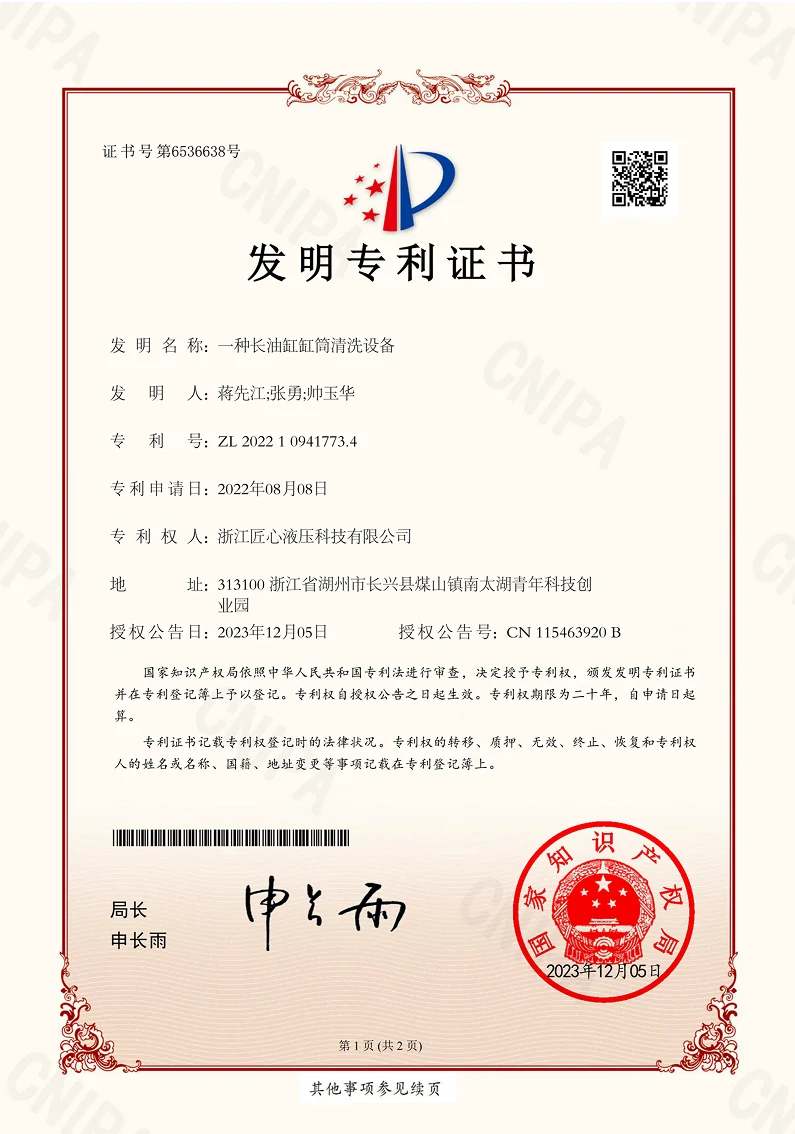
15 Invention Patents Included
100
CNC Production  Equipment
100 +
Total Cylinders Manufactured
10 Million
Application Models
1000 +
CATEGORIES
OEM hydraulic cylinders — full product range.
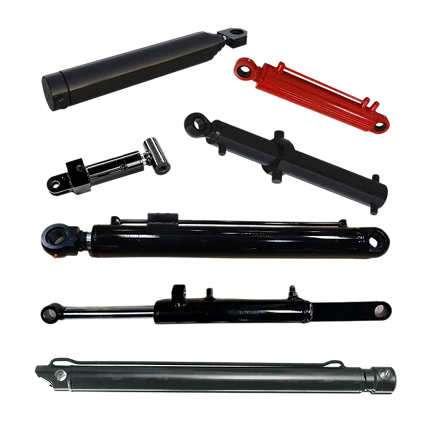
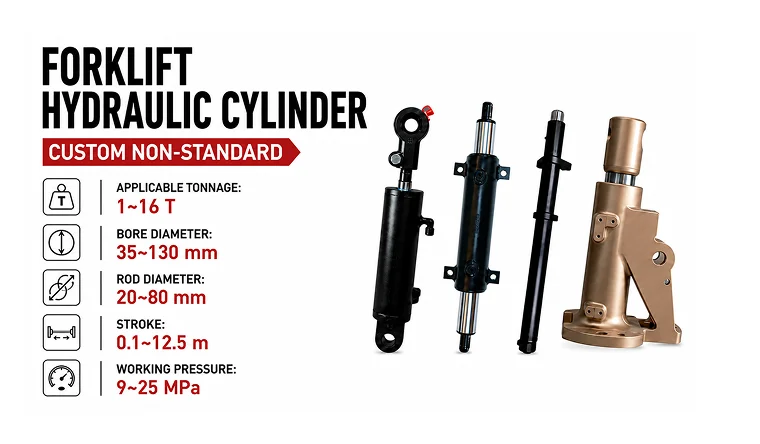
Forklift Hydraulic Cylinders
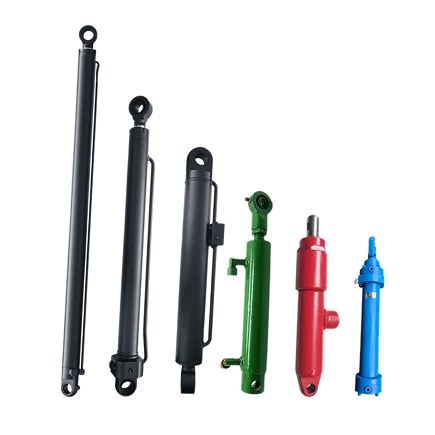
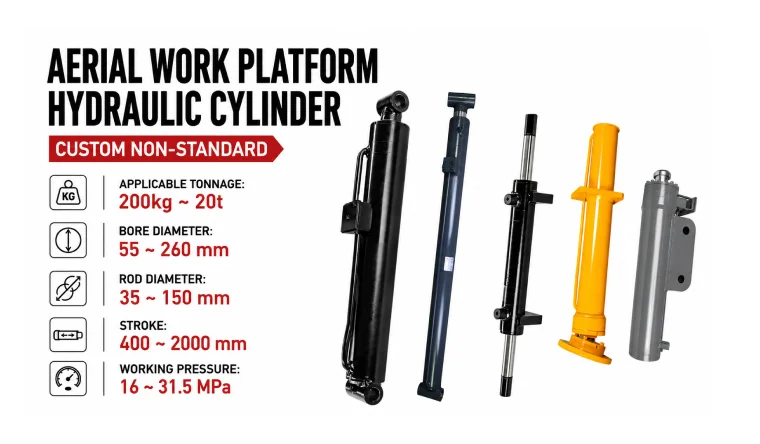
AWP Hydraulic Cylinders
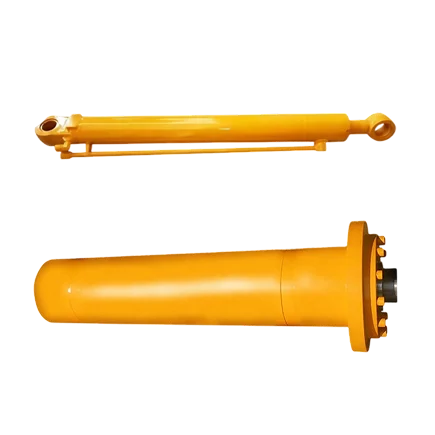
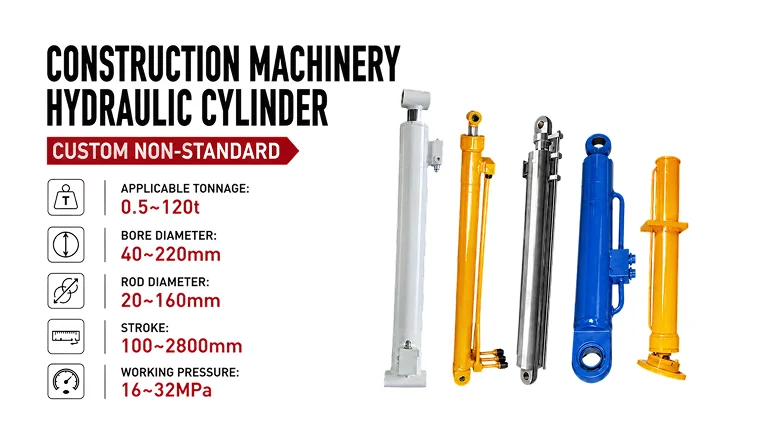
Construction Machinery Cylinders
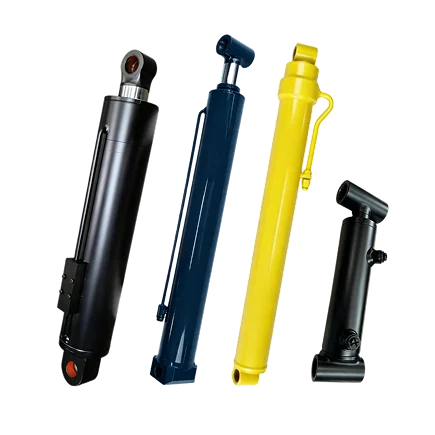
Custom Hydraulic Cylinders
Product
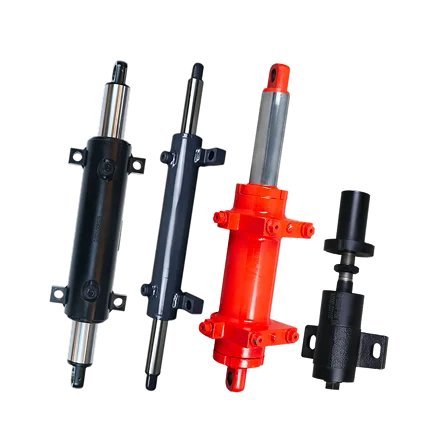
Lifting Cylinder
Forward Cylinder
Tilt Cylinder
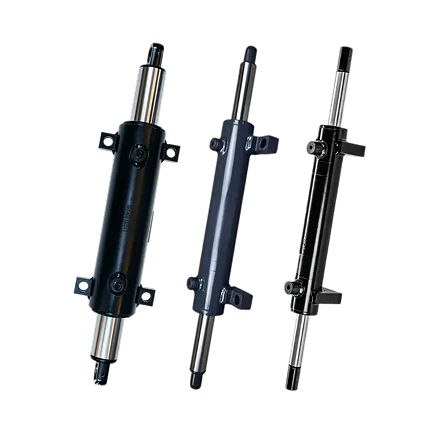
Steering Booster Cylinder
Learn More
Frame 2147231445
前移油缸 1 (1)
倾斜油缸 1 (2)
转向增压油缸 1 (1)
Features
Annual capacity: 1.8M units
OEM cross-reference available
Class 1–3 full series
Custom bore, rod & stroke
NOK/Hallite seals — zero leakage
Product
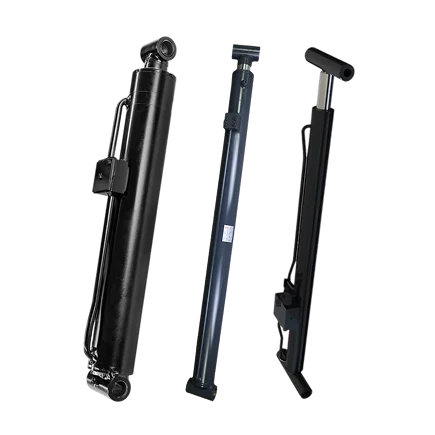
Lifting Cylinder
Support Leg Cylinder
Steering Cylinder
Learn More
Frame 2147231445 (1)
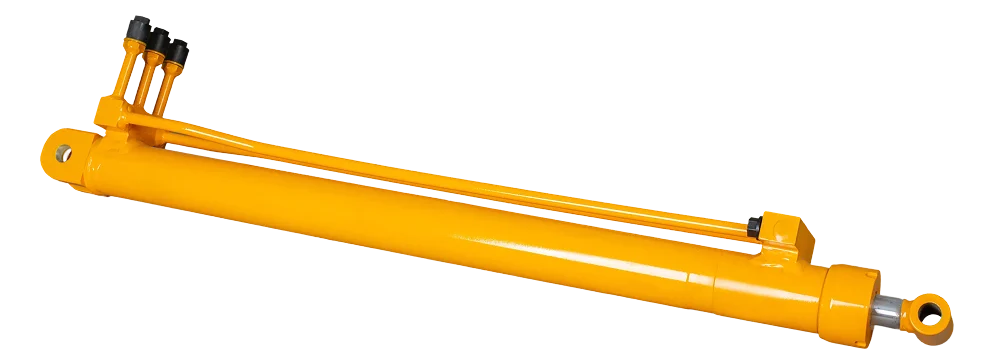
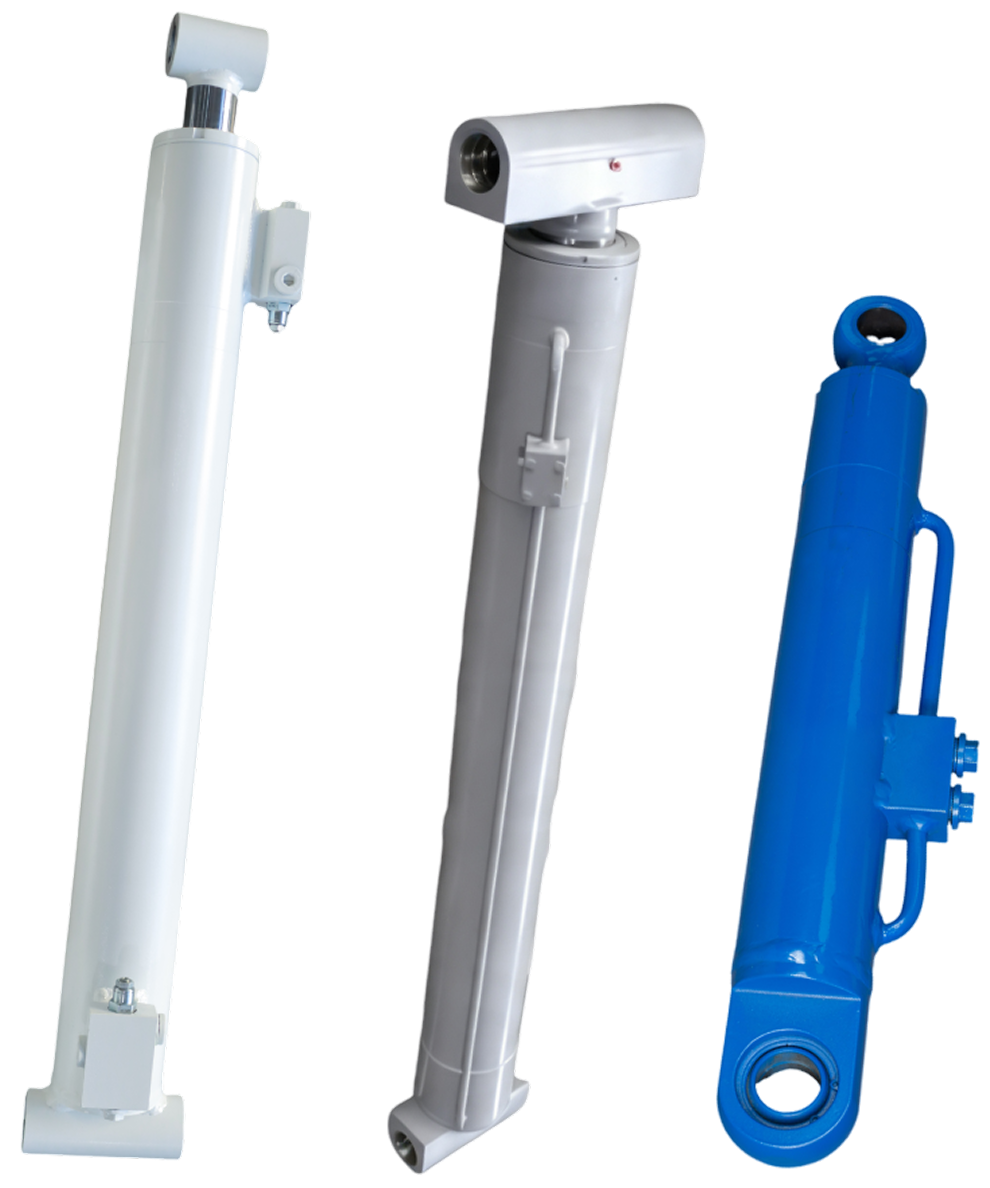
Three construction equipment support leg cylinder configurations
转向油缸 1 (1)
Features
Jlg, genie, haulotte compatible
OEM part cross-reference
Boom, scissor & telescoping lifts
Custom specs available
Product
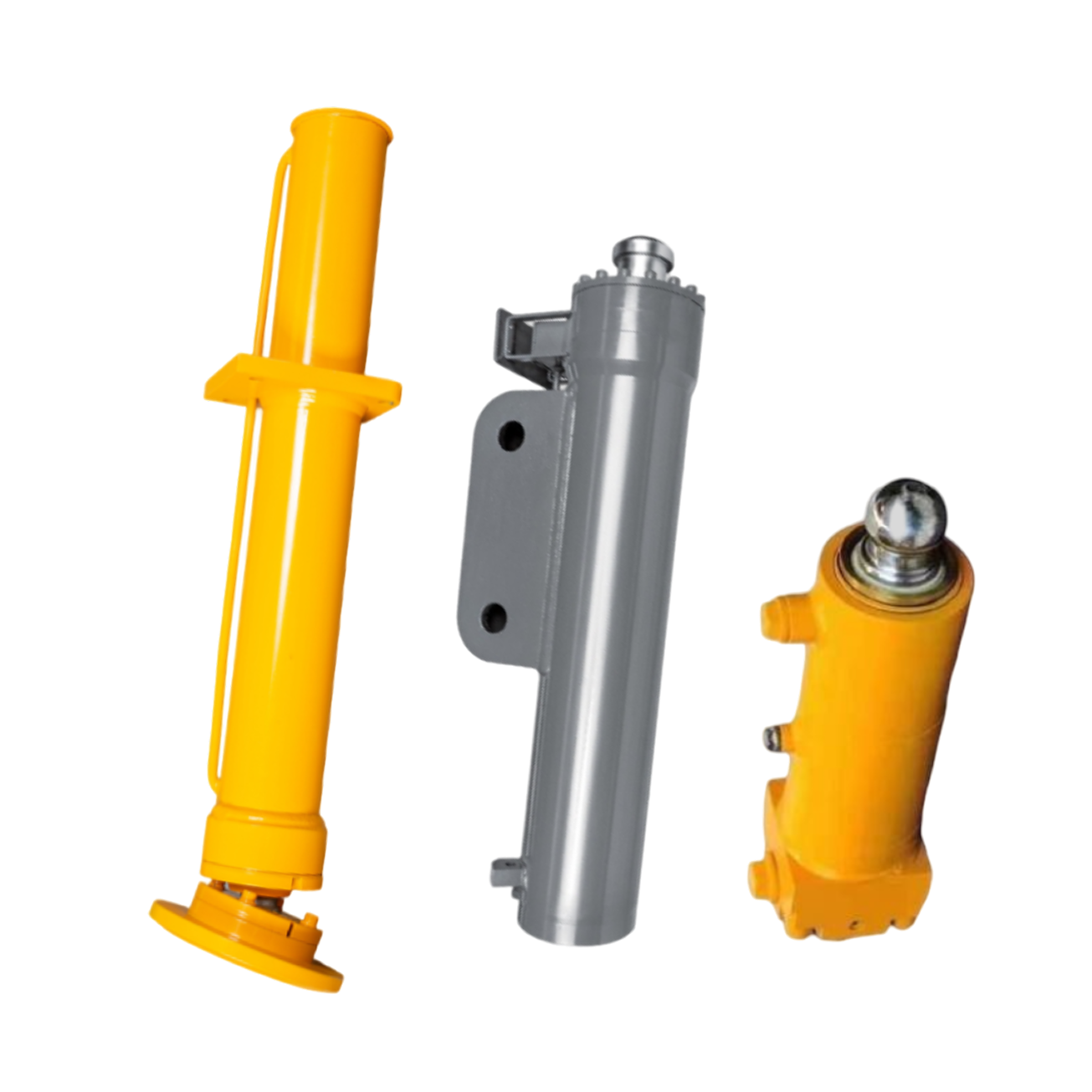
Amplitude Cylinder
Horizontal Cylinder
Support Leg Cylinder
Grab Cylinder
Learn More
变幅油缸 1 (1)
水平油缸 1 (1)
Three construction equipment support leg cylinder configurations
抓斗油缸 1 (1)
Features
Excavators & wheel loaders
High-pressure rated (up to 25mpa)
Custom bore, rod & stroke
OEM custom to drawing
Product
AGV
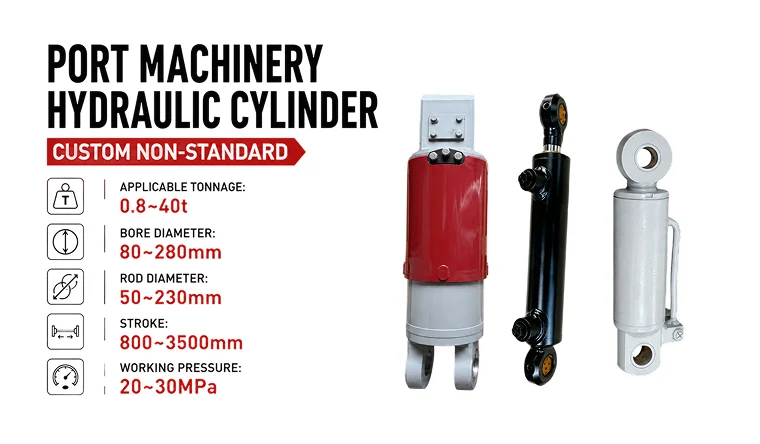
Port Machinery and Equipment
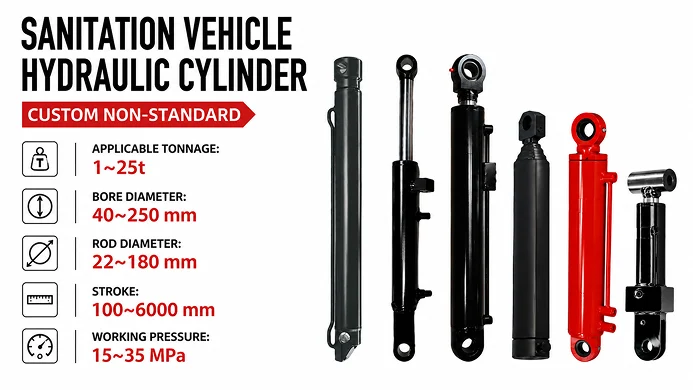
Sanitation Machinery
Mining Machinery
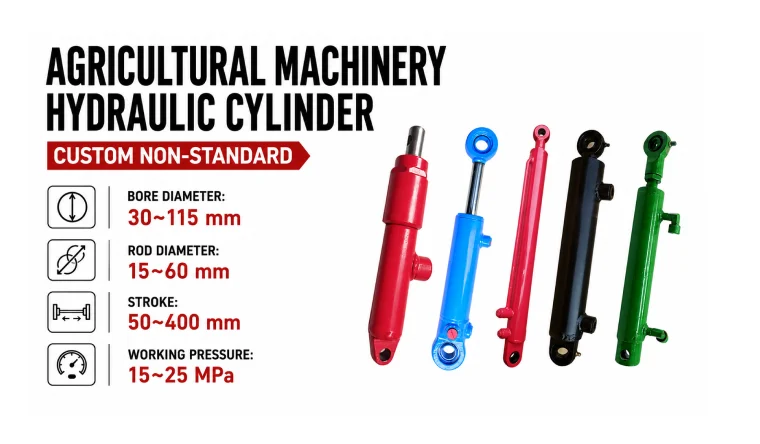
Agricultural Machinery
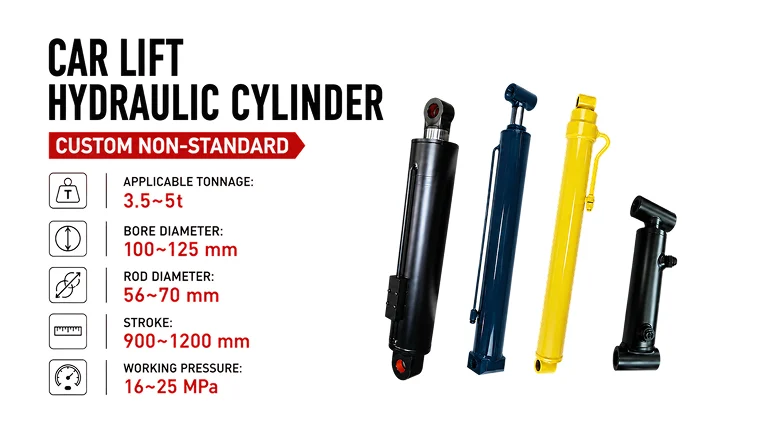
Car Lift
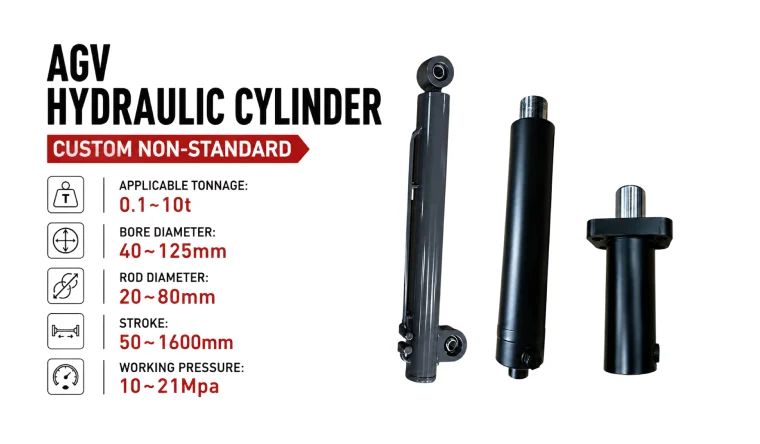
Attachments
Learn More
Frame 2147231445 (3)
抓斗油缸 1 (1)
环卫车 3 (1)
矿山机械 3 (1)
农业机械 1 (1)
汽车举升机 3 (1)
1b66842a 12f8 4797 8e88 0e4dd039c25a 1 (1)
Features
Machinery to AGV smart handling systems — fully OEM/ODM capability with NOK/hallite seals and zero leakage guaranteed.
Logo (1)
Group 2147229822
Ellipse 11
APPLICATION
INDUSTRIES
WHY CHOOSE OUR
FACTORY
Direct Factory Supply — Shorter 15-30% Delivery Speed
No middlemen. 8 auto lines, 1.8M cylinders & 300k units, direct OEM factory supply
Custom Forklift Hydraulic Cylinder Specialized Solutions
Built for stable lifting, steering, and tilt performance
Top Supplier of Electric Forklift Hydraulic Cylinders in China
44.4% forklift cylinder share, 120+ global OEM partners
15 Years of Hydraulic Cylinder Specialization
Est. 2011, 15 years forklift/AWP cylinder expert. 113 patents, 7 national standards.
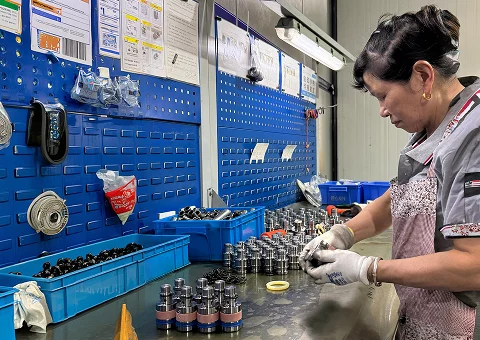
Imported NOK and Hallite Seals: Zero Leakage
NOK (JP) & Hallite (UK) seals: high durability, zero leakage OEM hydraulics.
OUR
PARTNERS
OEM-compatible hydraulic cylinders for all major forklift & AWP brands
Enotek 2
微信图片 20250222100128 1
国际客户logo 1
中联重科 1
徐工环境 1
三一 2
2f544d41 7e68 4403 9880 8b16e6cc8f2b 1
昊意科技 2
诺力 2
尤恩 1
中力 1
久邦集团 2
加力 2
国际客户logo4 1
国际客户logo1 1
露笑 2
林德 2
龙工 2
国际客户logo3 1
井松智能 2
国际客户logo2 1
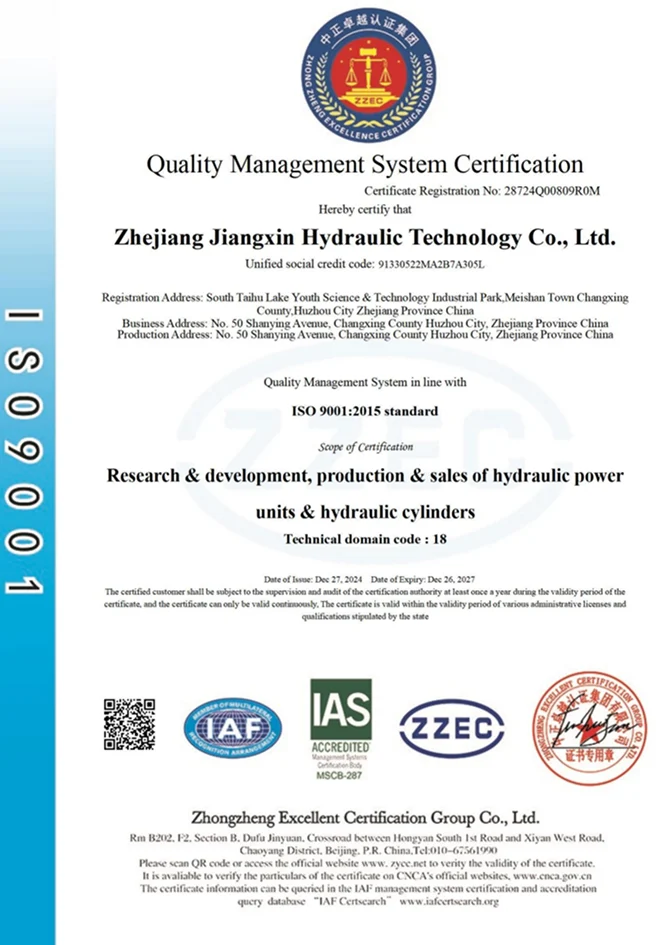
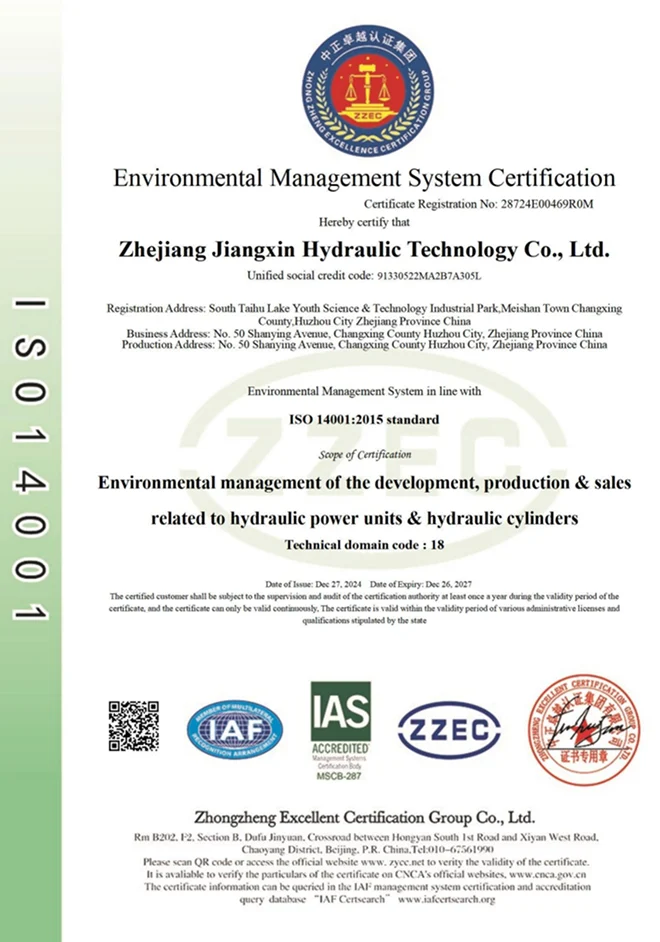
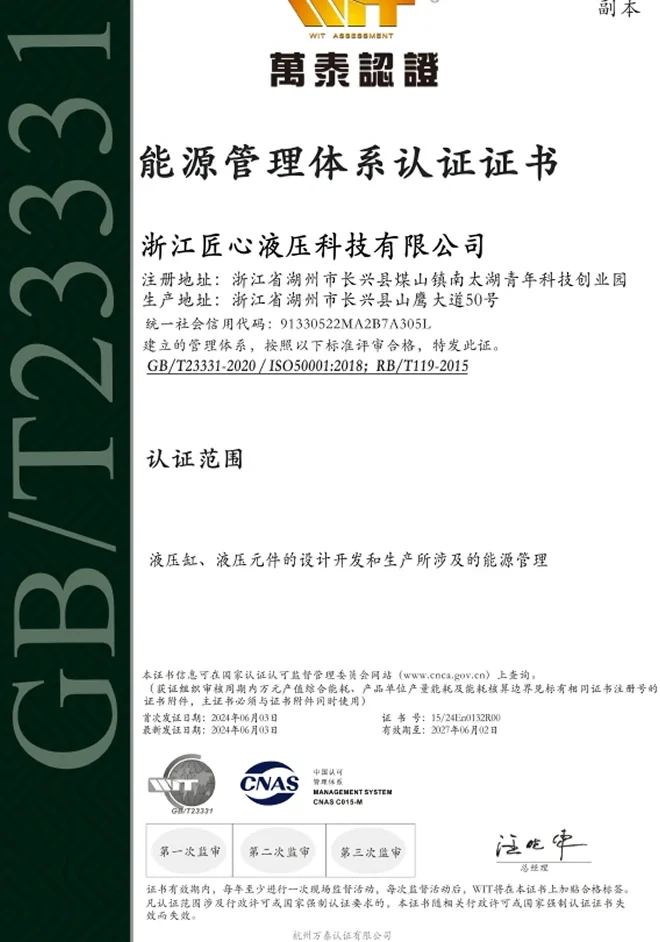
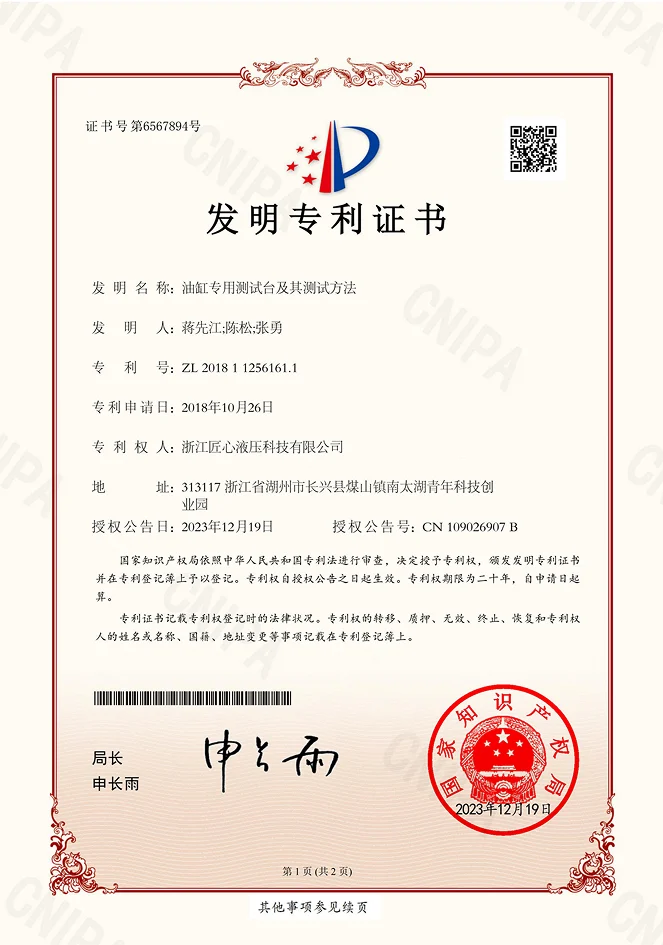
CERTIFICATIONS
& QUALITY ASSURANCE
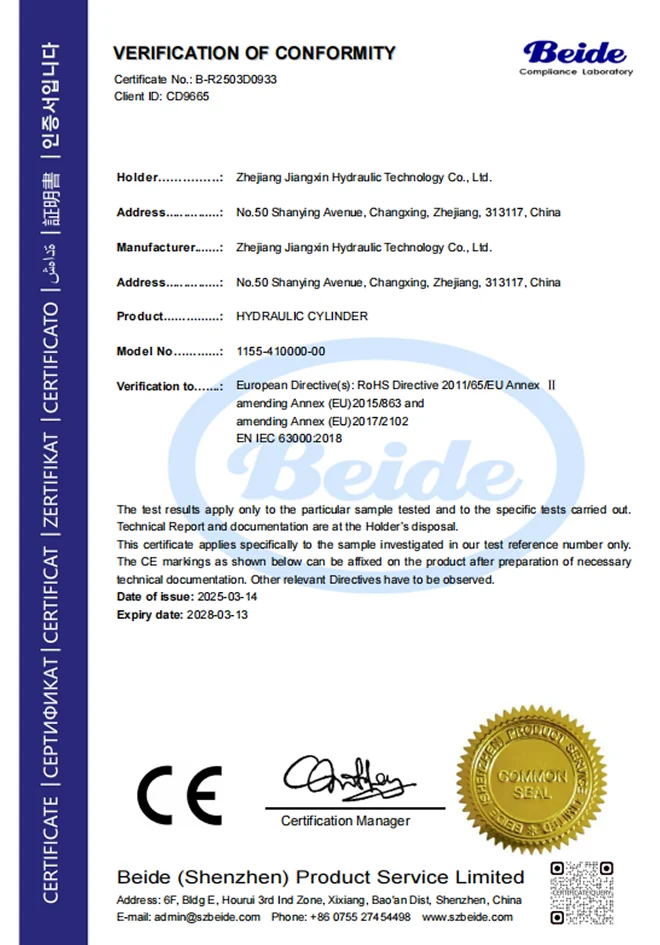
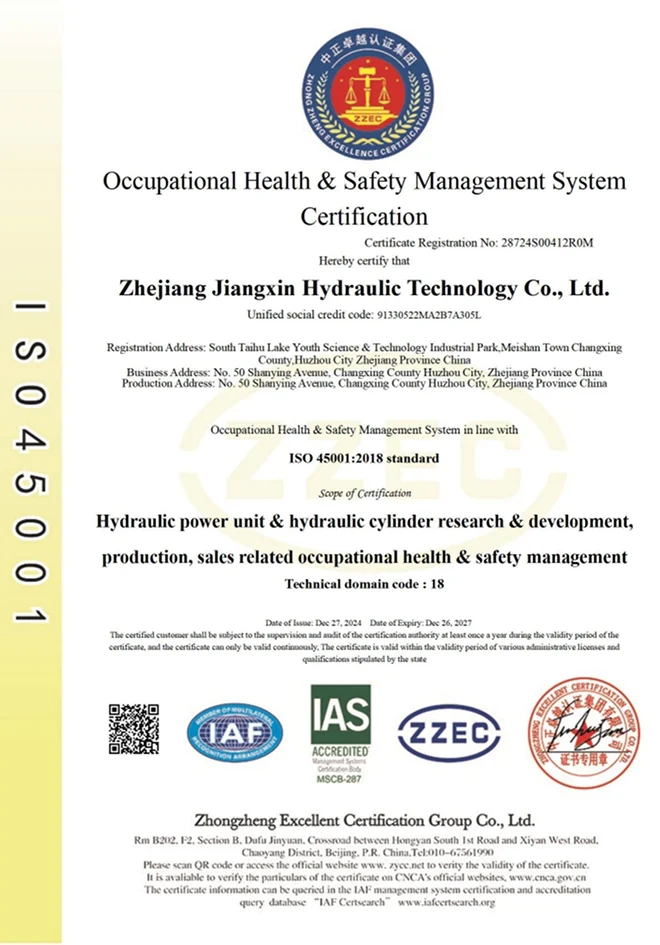
Quality-certified hydraulic cylinder manufacturer — trusted by global brands.
Image 87 (1)
Image 88 (1)
INDEPENDENT INTELLECTUAL PROPERTY RIGHTS
98
INVENTION PATENTS
17
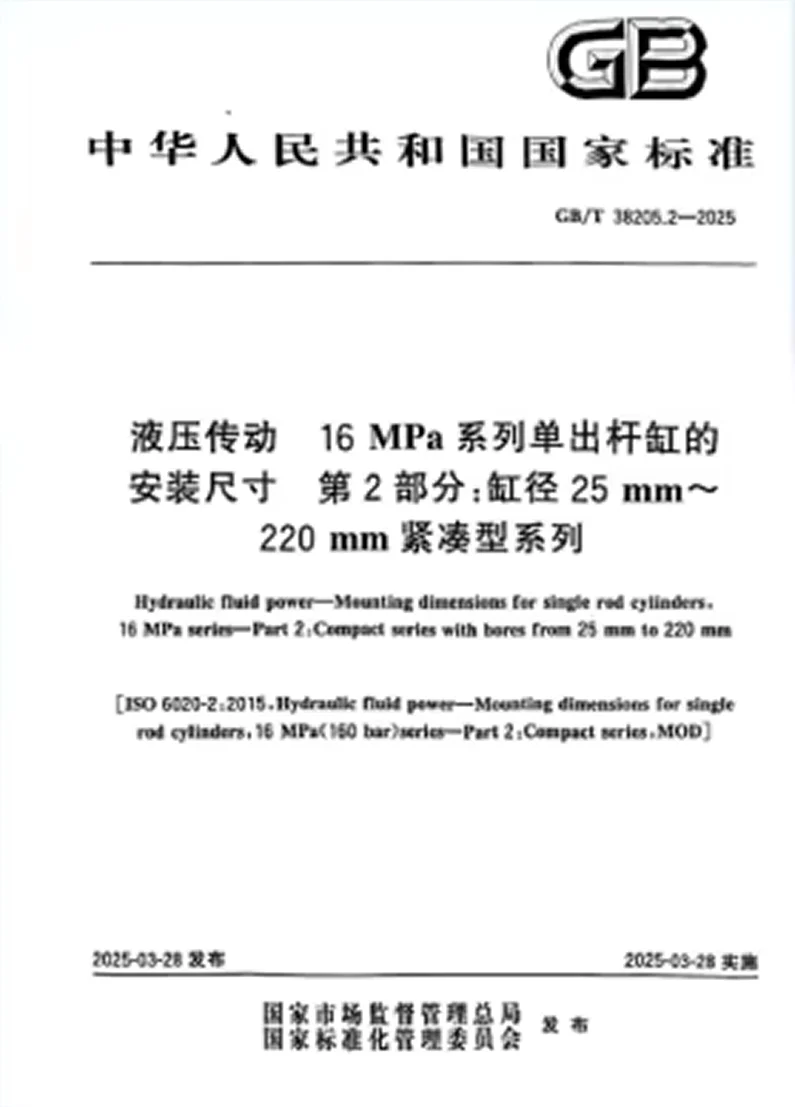
FORMULATION OF NATIONAL STANDARDS
8
INDEPENDENT INTELLECTUAL PROPERTY RIGHTS
98
INVENTION PANTENTS
17
FORMULATION OF NATIONAL STANDARDS
8
HYDRAULIC CYLINDER
FACTORY
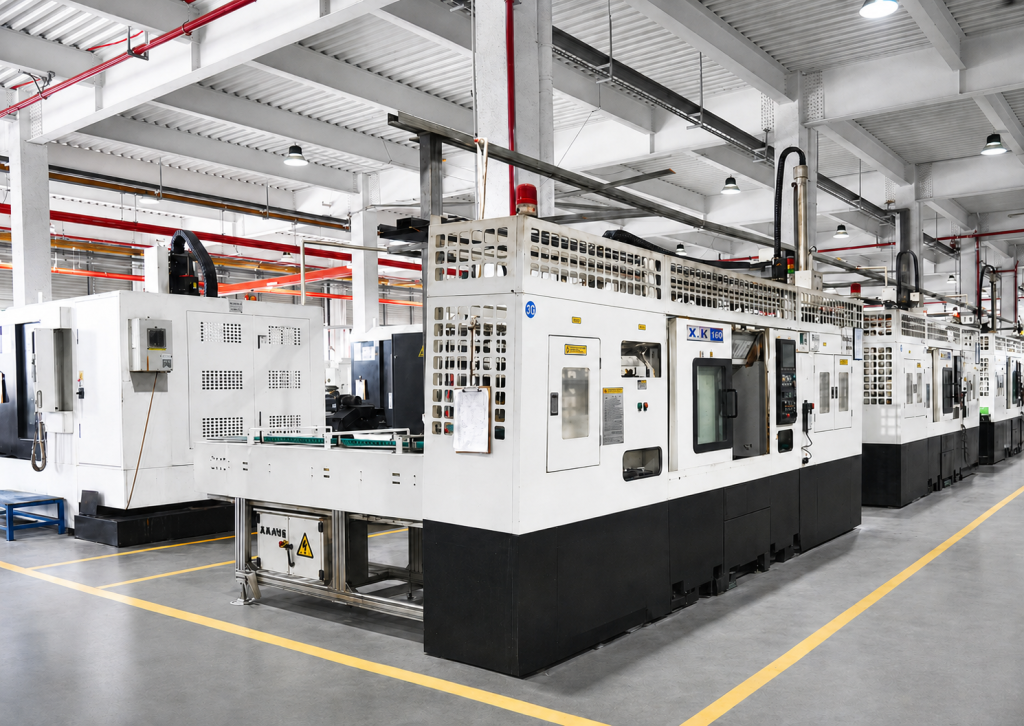
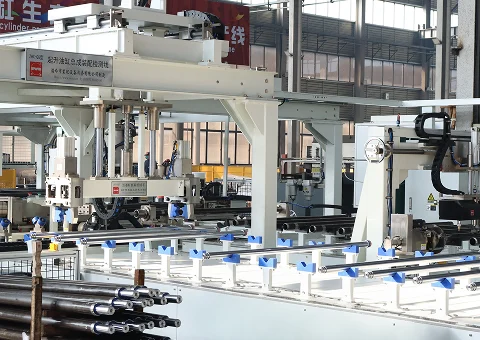
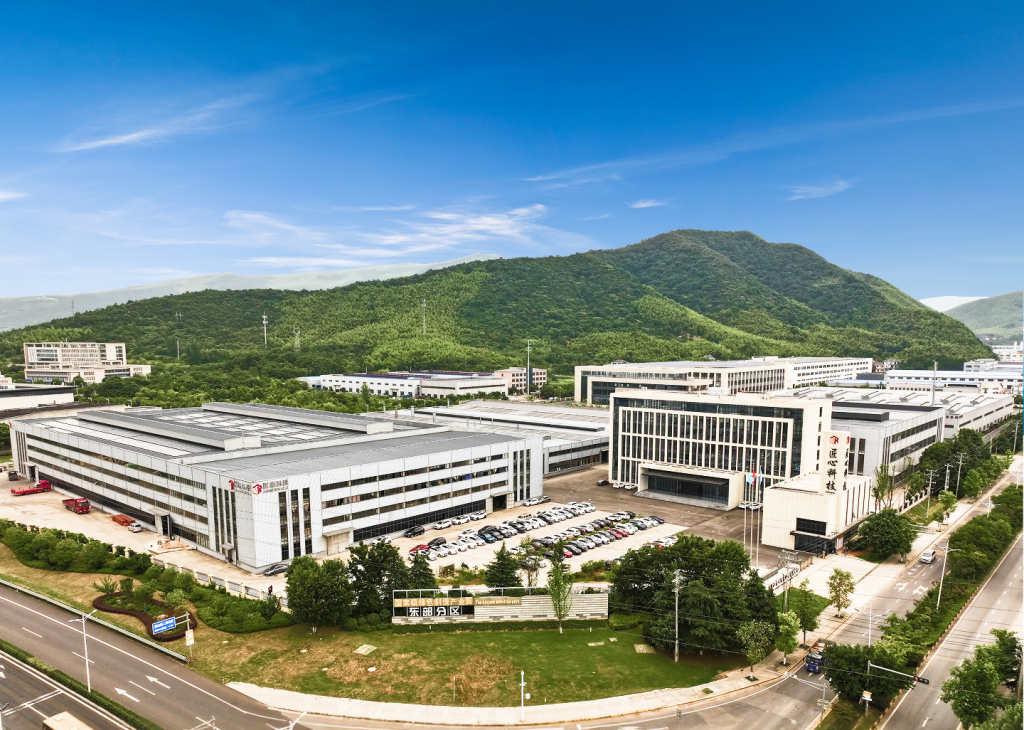
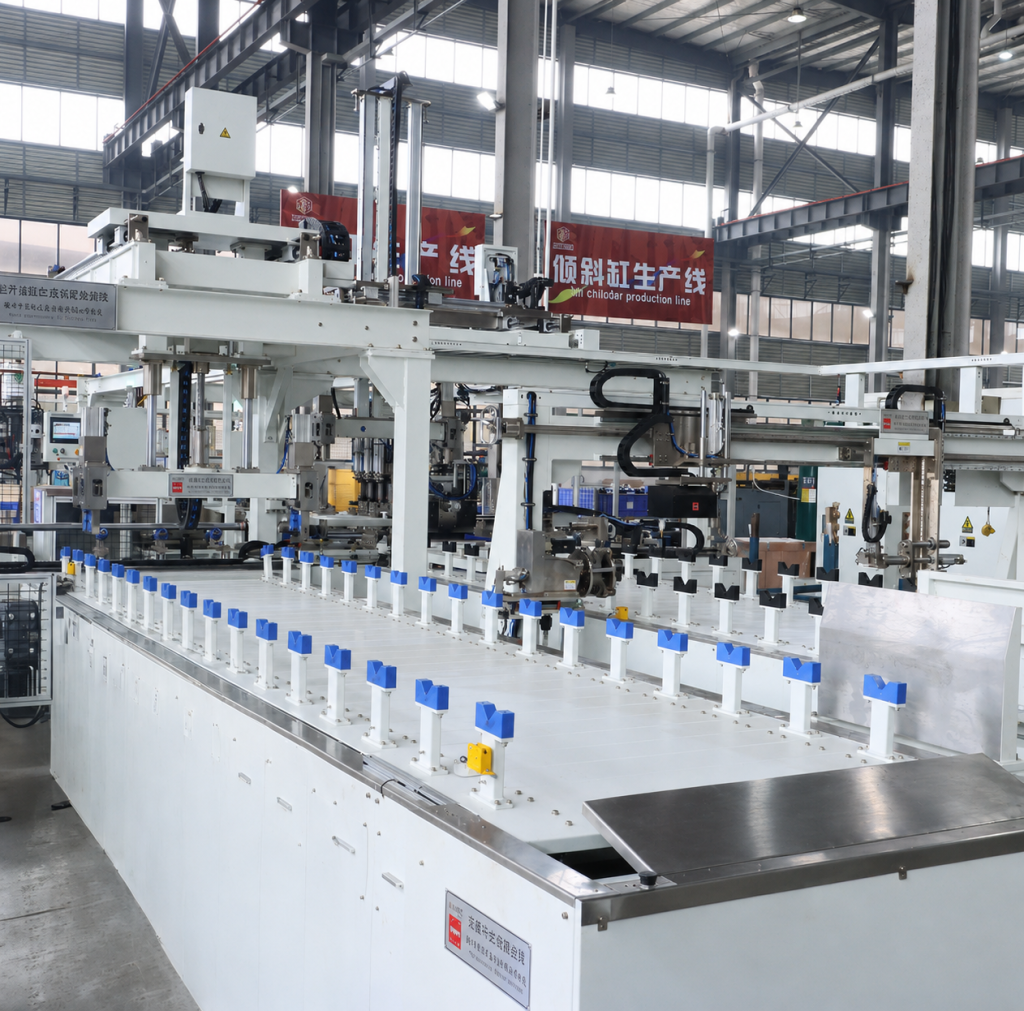
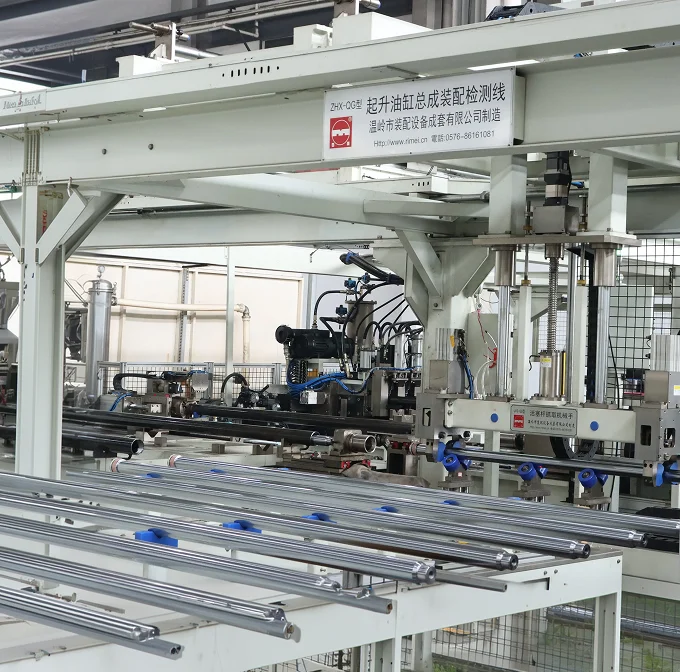
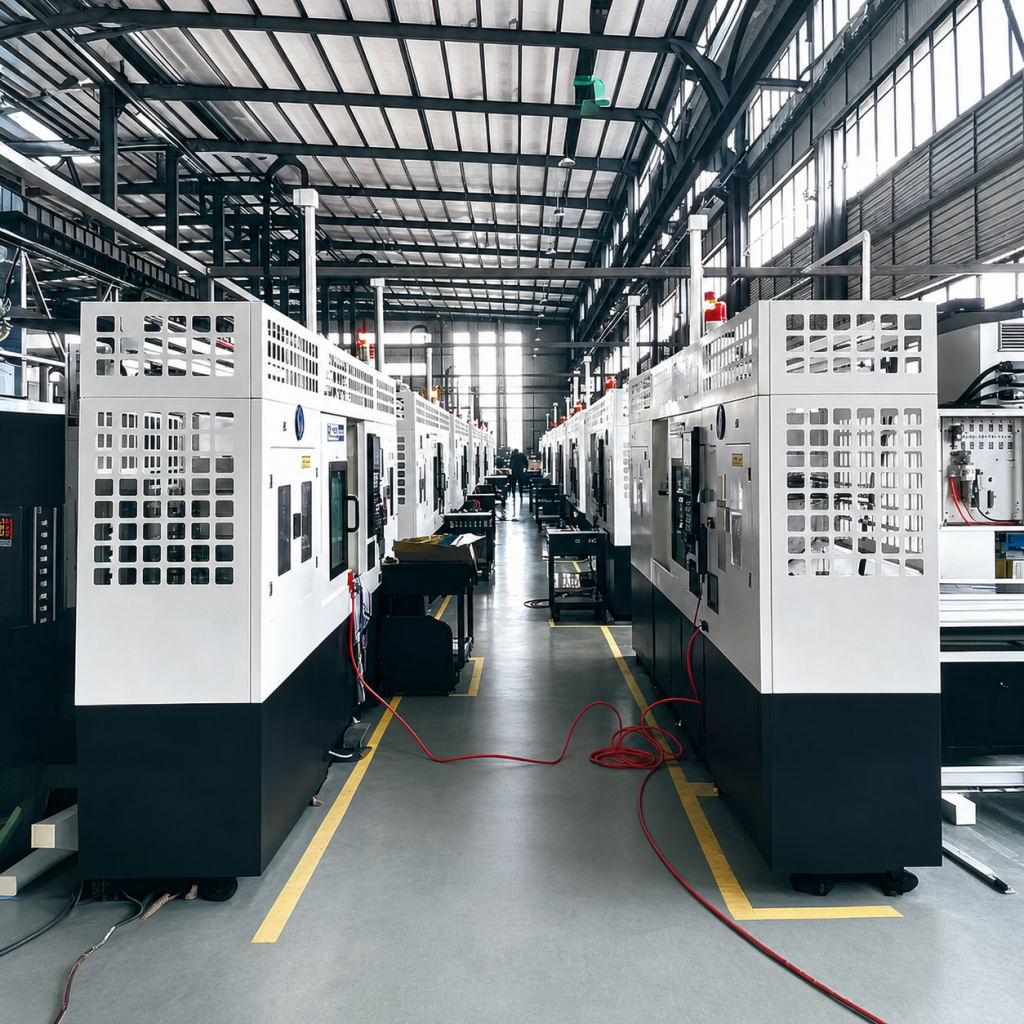
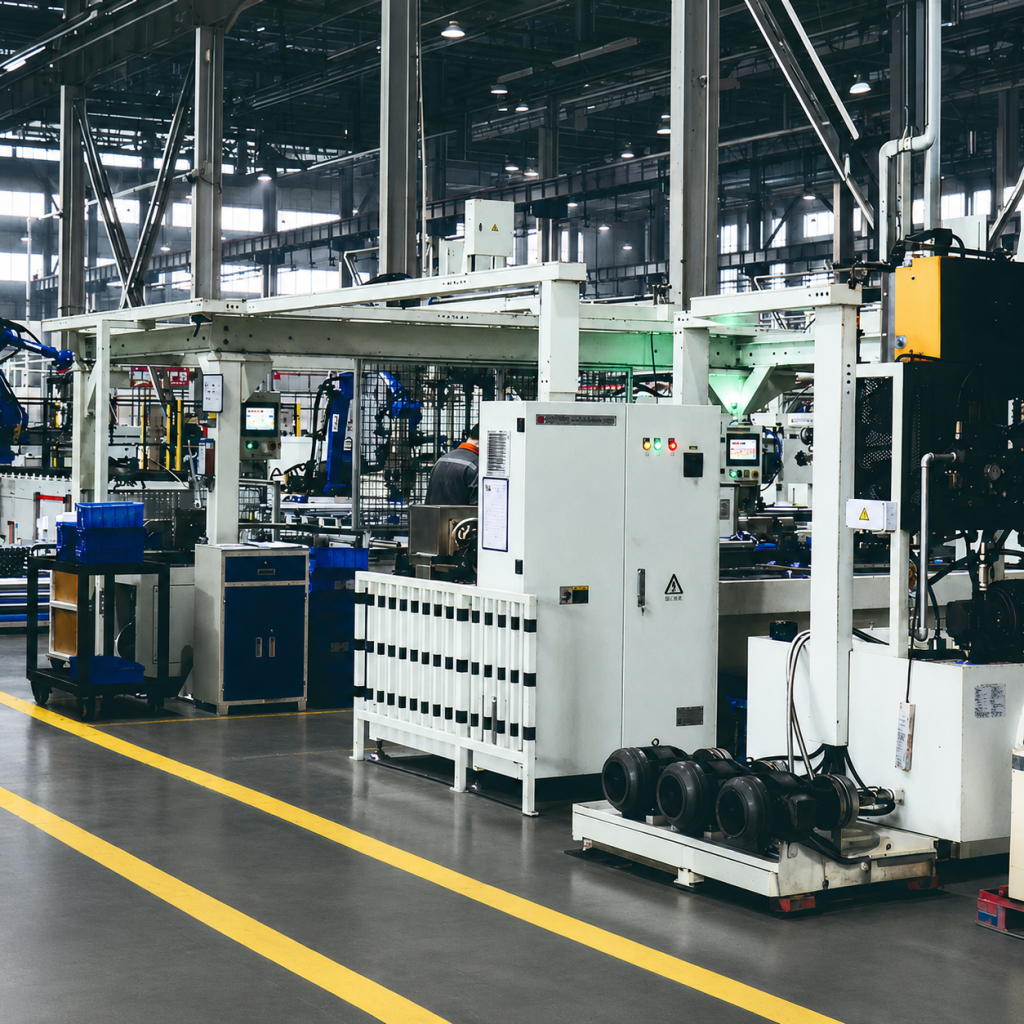
88-acre base, 70,000 m² facility, 8 automated lines, 500+ employees.
3f0c7477 3d60 4f91 A55c 7b28a1239da9
1
Panoramic View of the CNC Machining Workshop
Rectangle 34625780 (2)
2
Top View of Hydraulic Cylinder Production Line
Rectangle 346242194
3
Seal Assembly Area
7adeb295 0874 4810 Ad84 5965bfc27016
4
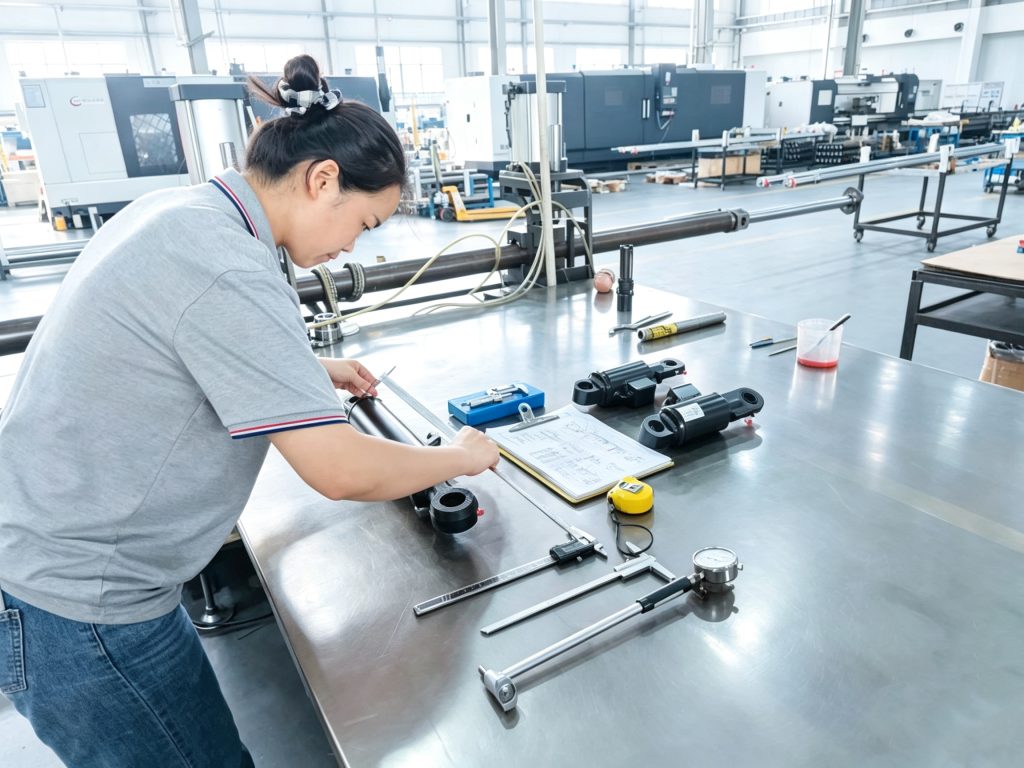
Finished Product Inspection Station
Rectangle 346242195
5
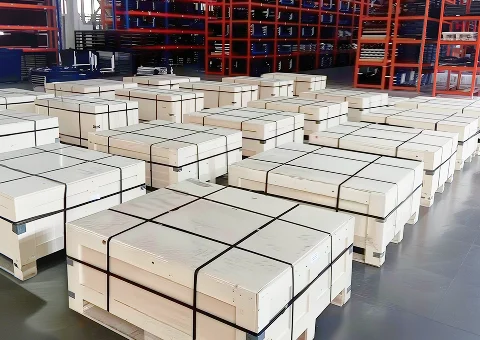
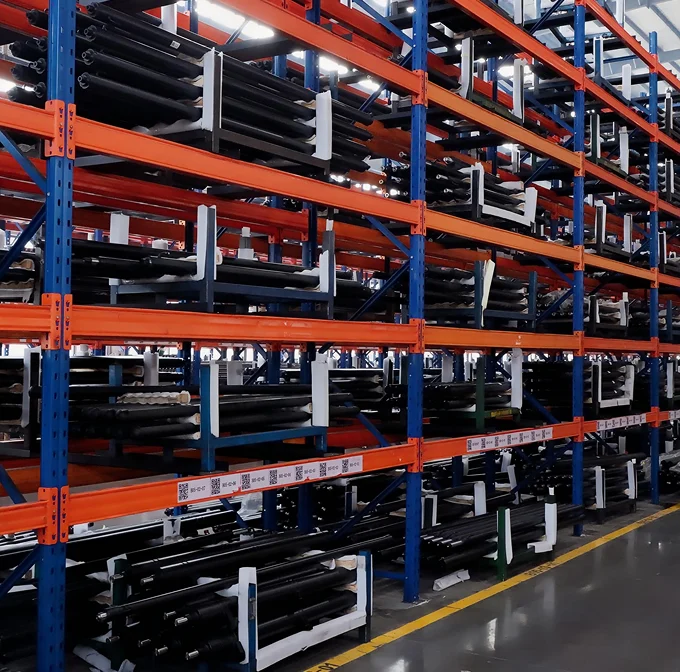
Warehouse Area/Shipping
Rectangle 346242198 (2)
6
Factory Facade
FREQUENTLY ASKED
QUESTIONS
Do You Support OEM/ODM Custom Hydraulic Cylinder Manufacturing Based on Drawings?
Yes. We manufacture custom hydraulic cylinders based on your drawings or specifications, including bore diameter, rod diameter, stroke, mounting style, and working pressure up to 25 MPa. Submit your requirements and we will provide a quote within 24 hours.
What Is Your Annual Hydraulic Cylinder Production Capacity?
1.8 million hydraulic cylinders and 300,000 hydraulic power units per year, across 8 fully-automated production lines. We maintain buffer stock for standard forklift and AWP models to ensure reliable, on-time delivery.
What Seal Brands Are Used in Your Hydraulic Cylinders?
We exclusively use NOK (Japan) and Hallite (UK) premium hydraulic seals — the global benchmark for cylinder sealing performance. This ensures excellent pressure resistance, wear resistance, and a zero-leakage guarantee for demanding OEM applications.
Which Forklift Brands Are Your Hydraulic Cylinders Compatible With?
Our cylinders are OEM cross-referenced and compatible with Hyster, Yale, Toyota, Crown, Linde, Jungheinrich, Lonking, Heli, Clark, and 120+ other brands. Contact us with your brand and model number for a free compatibility confirmation.
What Is the Lead Time for Bulk Hydraulic Cylinder Orders?
Standard models: 15–30 days. Custom OEM orders: 30–45 days depending on complexity and volume. We maintain safety stock for high-volume standard models. Contact us with your order volume and delivery timeline for a detailed production schedule.
3fc38e2f 12eb 4130 9a21 247ff021c490
Rectangle 101
19e024e0 A925 428f Bef9 0419982dc409
118d2ee5 D5f4 40cc A061 56af8dbf2582
Rectangle 101 (2)
RESOURCES
& TECHNICAL INSIGHTS
Learn More
Image 111 (1)
Exhibition News
July 7, 2025

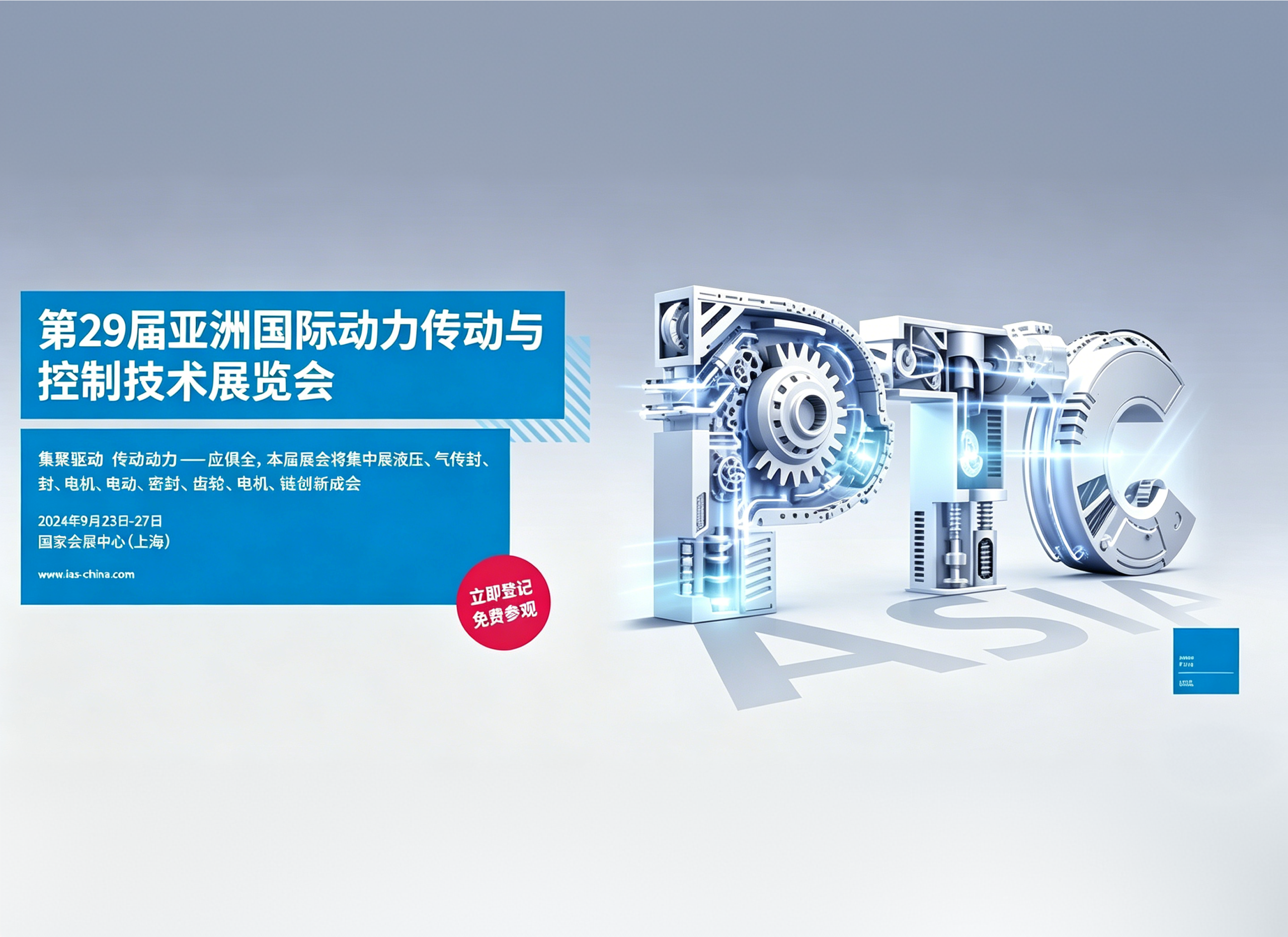
Jiangxin Technology will participate in the 2025 Asian International Power Transmission and Control Technology Exhibition.

Exhibition Time: October 28-31, 2025

Booth Number: E1 Hall A4

Venue: Shanghai New International Expo Center

We warmly welcome leaders to visit and guide us!

Learn More
Image 109
Company News
October 11, 2024

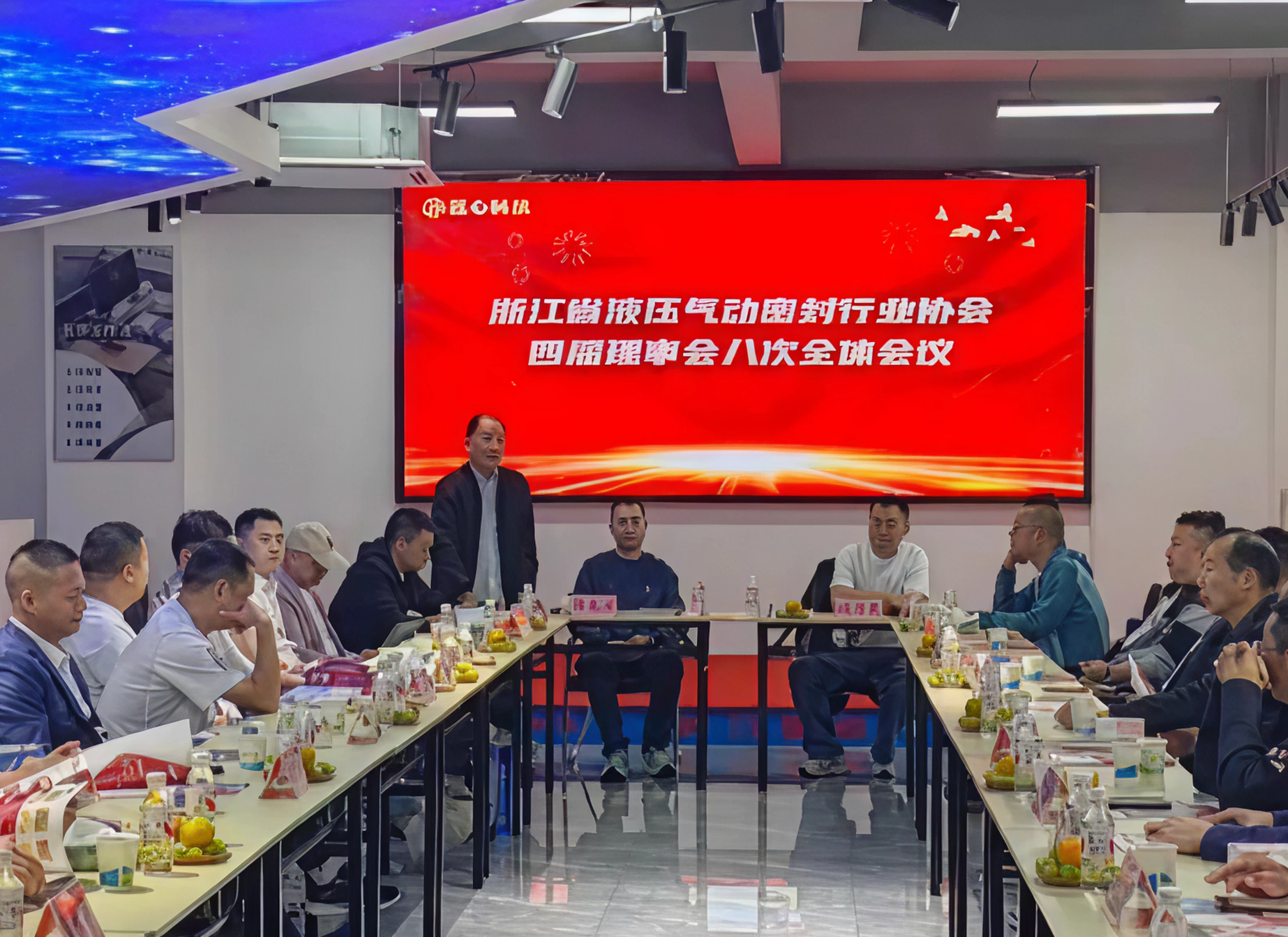
The Association Convened the 8th Plenary Session of the 4th Council

From October 7 to 9, the Zhejiang Hydraulic Pneumatic & Seals Association successfully convened the 8th Plenary Session of its 4th Council at Zhejiang Jiangxin Hydraulic Technology Co., Ltd. in Changxing County, Huzhou City. The meeting aimed to thoroughly implement recent economic policies, coordinate high-quality development, and advance annual work objectives. Mr. Qian Cunliang, Chairman of the Association, attended and delivered a keynote speech, calling for high morale and collaborative efforts to achieve outstanding high-quality economic development.

The conference commenced with a welcoming speech by Mr. Jiang Xianjiang, General Manager of Zhejiang Jiangxin Hydraulic Technology Co., Ltd., who also introduced the company’s profile. Formerly known as Xianli Hydraulics (founded in 2011), Jiangxin Hydraulics is located in the Meishan National Green Manufacturing Industrial Park in Changxing County, at the heart of the Yangtze River Delta economic zone. The facility covers an area of 88 acres, with a production workshop of nearly 70,000 square meters. The company has earned prestigious recognitions including National “Little Giant” Enterprise (Specialized, Fined, Peculiar, and Innovative), National High-Tech Enterprise, Zhejiang Manufacturing “Made in Zhejiang” Certificate, and Provincial Technology R&D Center. It holds 98 independent intellectual property rights, including 15 invention patents. Its gross industrial output value reached 280 million RMB in 2023 and is projected to exceed 350 million RMB in 2024.

The session reviewed the industry’s key performance indicators from January to September, analyzed the current economic operations and existing challenges, and mapped out key priorities for the upcoming phase.

Chairman Qian Cunliang noted that despite complex market situations and various challenges this year, the industry has achieved solid milestones through the collective resilience of all council members and member enterprises. However, he urged everyone to remain realistic about existing bottlenecks, race against time to meet annual goals, and consolidate growth momentum by capitalizing on strengths while fixing weaknesses.

Qian emphasized the need to secure year-round growth by expanding both domestic and international market shares through a deeply integrated online-and-offline approach. He encouraged enterprises to capture new market opportunities, create premium product alliances, and enhance product quality to position Zhejiang’s hydraulic, pneumatic, and sealing products globally. He highlighted the importance of accelerating new productive forces to empower corporate growth, as well as organizing study tours to help companies benchmark against global leaders while remaining rooted in local strengths.

Furthermore, Qian stressed the importance of strengthening team leadership and professional integrity to ensure that the association and its members always operate responsibly and in alignment with core guiding principles.

The meeting also made strategic arrangements for the upcoming leadership election and study tour activities.

The association called upon all council members and enterprises to unite, leverage collective industrial strengths to cultivate new productive forces, and continually break new ground in the high-quality development of Zhejiang’s hydraulic, pneumatic, and seals industry.

During the event, all attendees toured the production facilities of Zhejiang Jiangxin Hydraulic Technology Co., Ltd., Albeisi (Changxing) Technology Co., Ltd., and Hongqi Instrument Co., Ltd.

Learn More
Industry News
September 9, 2026

The hardest part of choosing a hydraulic cylinder manufacturer is not finding a company that can make a cylinder. It is finding one that understands your machine, gives you a complete quote, and delivers the same build after the sample has been approved.

We often see buyers start with price and discover the missing details later. The quoted cylinder arrives with the wrong port direction. The mounting centers do not match the machine. The sample works, but the next batch uses a different seal. These problems are expensive because the lowest-priced component can stop a much more valuable piece of equipment.

You can avoid most of that risk with a practical comparison. Start with the cylinder your machine needs, then see how the manufacturer responds before, during, and after production.

First, Match the Hydraulic Cylinder to Your Machine

A manufacturer may produce good cylinders and still be the wrong supplier for your project. Before asking for a price, check whether it regularly builds your cylinder type, size, and application.

A welded cylinder for construction equipment is not the same job as a compact cylinder for an automated production line. Loads, side forces, mounting space, duty cycle, and environmental exposure all affect the design. If you need a telescopic cylinder, position sensor, special coating or non-standard mounting, ask for examples of comparable work. A general statement such as “we can customize anything” tells you very little.

Send the supplier the information that affects the build: bore, rod diameter, stroke, closed length, pressure, mounting, ports, temperature, cycle frequency, and hydraulic fluid. Add a drawing or sample when available. If some details are unknown, explain what the machine does and where the cylinder is failing.

Our custom hydraulic cylinders process can begin with a drawing, an existing sample, or operating requirements. That first technical exchange should help you confirm whether the supplier understands the application before you discuss a final price.

Listen to the questions you receive

A useful reply does more than repeat your dimensions. The engineer may ask about an off-center load, available installation space, cushioning near the end of stroke, or corrosion around the machine. Those questions show that someone has considered how the cylinder will work. If the supplier sends a quote without clarifying an incomplete specification, treat the speed of that reply as a warning, not a benefit.

Engineering Support Reveals the Manufacturer

You do not need a long presentation from the engineering team. You need clear answers that reduce the chance of a wrong build.

Ask the supplier to return a drawing or specification for approval. Compare it with your original information and check the mounting centers, closed length, stroke, port orientation, and any interface that connects to your machine. If the manufacturer proposes a different rod size, seal material, or surface treatment, the reply should explain why the change suits your working conditions.

This is also the time to notice communication habits. Does one person own the technical questions? Are drawing revisions dated? Can the team explain a recommendation in plain language? A factory that loses track of a revision during quoting may do the same after production starts.

For a replacement cylinder, do not accept a visual copy as the entire engineering process. Two cylinders can look alike while using different materials, tolerances, or internal cushioning. Make sure the supplier knows the operating pressure, load, and failure symptoms, not just the outside dimensions.

What Does a Good Hydraulic Cylinder Quote Include?

Two quotations are not comparable until they cover the same specification. A low number may exclude a sensor, coating, test, export crate or delivery term that another supplier included.

A useful quotation identifies the cylinder configuration, key materials, seal option, surface treatment, quantity, sample charge, production lead time, testing, packaging, warranty, and trade terms. Show custom tooling or drawing fees separately. If the offer uses phrases such as “standard material” or “normal testing,” ask the supplier to name what will actually be supplied.

Request sample, pilot-batch, and production quantities so you can see how the cost changes. Ask how long the price remains valid and what could change it. This gives you a better comparison than one headline price.

A cheaper cylinder can create a costly stop

Consider what happens if a cylinder leaks after installation. The direct replacement cost may be small compared with technician time, freight, machine downtime, and missed production. Your purchasing decision should reflect the cost of failure in your application, not only the unit price on the quotation.

Look Beyond the Manufacturer’s Sample

A polished sample proves that the factory can make one acceptable cylinder. It does not prove that the fifth or five-hundredth unit will match it.

Agree on what the sample must demonstrate before building it. That may include installation dimensions, full stroke, movement, pressure holding, external leakage, cushioning, sensor output, or performance on your machine. Keep the approved drawing and test result with the sample so both sides know what production must match.

For a new design, a small pilot order lets you see whether several cylinders operate consistently. If your application runs frequently, do not judge it after a few workshop strokes. When practical, test it under a realistic load and cycle pattern.

Ask how the factory handles a change after sample approval. A seal, port, material, coating, or dimension should not change silently because a component became difficult to source. You should receive the proposed change and decide whether another sample or test is needed.

hydraulic cylinder manufacturing process inspection
Testing Should Fit the Hydraulic Cylinder’s Job

“Every cylinder is tested” sounds reassuring, but it is incomplete. Ask what is tested, at what pressure, for how long, and which result is recorded.

At a minimum, the test should match the agreed drawing and purchase requirements. Depending on the application, that can include dimensional inspection, stroke, pressure holding, internal or external leakage, cushioning, and sensor checks. A cylinder used on construction machinery may face shock, dirt, and outdoor exposure, while a unit for an automation production line may need repeatable motion and reliable position feedback.

You do not need to ask for a stack of paperwork with every low-risk order. You do need enough information to identify the batch and confirm that the agreed test was completed. For a critical application, decide in advance whether you need individual serial numbers, material records, or a detailed test report.

When you visit the factory or join a video call, ask to see an ordinary cylinder being assembled and tested. Clean components, protected ports and an organized test area often tell you more than a staged photograph. You can also ask the operator what happens when a cylinder fails the test. A clear answer should include isolation, correction, and retesting—not simply “we check it again.”

Can the Manufacturer Meet Your Real Lead Time?

A four-week lead time is useful only if the manufacturer can explain when those four weeks begin. Does the clock start after payment, drawing approval, material arrival, or sample confirmation?

Ask for separate timings for technical review, sample production, and repeat orders. If your demand is seasonal, share a realistic forecast and ask how the supplier reserves material and machine capacity. A credible manufacturer may not promise the shortest time, but it should explain the schedule and warn you early when something changes.

Order size matters too. Some factories are comfortable with one replacement cylinder but struggle with repeat batches. Others prefer volume and give small orders little attention. Tell the supplier your expected annual quantity, normal batch size, and likely growth so you can see whether the relationship fits both sides.

Packaging belongs in this discussion. Rod surfaces, ports, and machined mounts need protection during storage and international transport. Confirm whether the quoted package is suitable for the route rather than discovering damaged threads or corrosion after delivery.

Manufacturer Support After Delivery

Before placing an order, ask what happens if a cylinder does not fit or fails in service. Who reviews the problem? What photographs, measurements or operating information will the team need? How quickly will you receive an initial response?

A useful warranty states the period, coverage, and exclusions in writing. It should also explain the practical remedy—repair parts, replacement, credit or another agreed solution. Be cautious when a supplier promises that “all problems will be solved” but cannot describe a process or name a responsible contact.

Spare seals and wear parts may be important if your equipment operates far from your maintenance base. Ask whether the manufacturer can supply a seal kit with a clear part reference and whether production drawings will remain available for repeat orders. This is especially valuable when the cylinder is built for your machine rather than purchased from a standard catalog.

Red Flags When Choosing a Cylinder Manufacturer

You do not need a formal audit to spot early risk. Slow technical answers, unclear drawings, and changing specifications are often enough to pause a project.

Watch for a quote issued from incomplete information, reluctance to show similar products, unexplained material substitutions, a sample without an approved drawing, vague testing claims, or a price that changes whenever you ask what is included. Poor version control is another serious sign: if two people send different drawings, stop until you establish one approved revision.

Also notice whether the supplier pushes you to confirm the order before closing the technical questions. A good manufacturer wants the cylinder to fit the first time. It should be willing to slow down for one clear engineering decision rather than rush toward a deposit.

The final choice is rarely the factory with the longest equipment list. It is the one that understands your machine, defines the build clearly, proves the sample, explains the production schedule, and remains reachable when you need help. If you are comparing a new or replacement design, send your working conditions and drawing through our contact page. We can review the application with you before preparing the quotation.

Questions Buyers Ask a Hydraulic Cylinders Manufacturer

What should I send to get an accurate hydraulic cylinder quote?

Send a drawing or sample details plus bore, rod diameter, stroke, closed length, mounting, ports, working pressure, quantity, and operating conditions. Mention side loads, temperature, corrosion, high-cycle frequency, cushioning, or sensors. The more clearly you define the application, the fewer assumptions will appear in the price.

How can I tell whether a hydraulic cylinder manufacturer is reliable?

Look at how the supplier handles a real project. It should ask relevant questions, return a controlled drawing, state what the quote includes, agree on sample tests, and explain lead time and warranty. Similar products, a live factory view, and consistent answers from sales and engineering provide stronger reassurance than broad claims.

Should I buy a standard cylinder or order a custom one?

Choose a standard cylinder when its dimensions, mounting, pressure rating, and environment already fit the machine. A custom cylinder makes sense when a catalog model can’t safely meet space, stroke, ports, load, mounting, or operating conditions. Compare the cost of modification with the downtime and redesign risk of forcing the wrong cylinder into the application.

How long does a custom hydraulic cylinder sample take?

There is no honest universal lead time. It depends on drawing approval, materials, tooling, machining, surface treatment, and testing. Ask the manufacturer to separate engineering-review time from production time and confirm the start point in writing. That makes the schedule easier to manage if the drawing changes.

Why are two hydraulic cylinder quotations so different?

The suppliers may be pricing different materials, seals, coatings, tests, quantities, packaging, or delivery terms. Put both quotations side by side with the same approved specification, and ask each company to identify exclusions. Do not assume the higher or lower price represents the same cylinder.

Learn More