|
EN
Get a Quote

PDF/STEP

SANITATION MACHINERY HYDRAULIC CYLINDER

Cylinder solutions for refuse collection, compaction, sweeping and tailgate motion, reviewed for cycle duty, contamination and installation fit.
Products
Sanitation Machinery
  • Applicable Tonnage: 1 ~ 25t
  • Bore Diameter: 40 ~ 250mm
  • Rod Diameter: 22 ~ 180mm
  • Stroke: 100 ~ 6000mm
  • Working Pressure: 15 ~ 35MPa
Image 90 1.png
Image 91 5.png
Cc8c3d4ff16c2a6feb77582d98c215be 1 1.png
D38118d4ee75de51a6ae93b05eb4dd12 1 1.png
Subtract 1.png
OEM/JDM
Contact Us
PRODUCT
DESCRIPTION
  • It is compatible with various sanitation vehicles (compressed garbage trucks, sweeper trucks, kitchen waste trucks, etc.). The bore diameter, rod diameter, and stroke can be customized according to the vehicle model. The rated working pressure is 16–25 MPa, and the peak pressure can reach 28 MPa, meeting the high-frequency, heavy-load, and continuous operation requirements of sanitation equipment.
  • The cylinder barrel is fabricated from premium 20# / 45# steel precision-honed seamless tubing, ensuring high inner wall smoothness and low friction resistance. Combined with a fully automated robotic welding process and non-destructive testing, it has high structural strength, impact resistance, and leak prevention. It remains stable and reliable under long-term reciprocating pushing and lifting conditions, offering excellent fatigue durability.
  • The piston rod is made of 45# steel and comes standard with hard chrome plating. It also offers a variety of anti-corrosion and wear-resistant solutions, such as Ni/Cr electroplating, QPQ salt bath treatment, and laser cladding. It is perfectly suited for humid, sewage, and corrosive waste environments, effectively preventing rust and scratches while significantly extending service life.
  • The sealing system can be equipped with high-end seals such as imported Hallite / NOK, which are resistant to high and low temperatures and pollution. It supports a multi-layered dustproof + guide + buffer sealing structure to effectively resist the intrusion of sewage and dust, eliminating the risk of leakage. Explosion-proof valves, balance valves, overflow valves, quick-connect couplings, hydraulic oil pipes, and other components can be designed according to requirements to achieve precise control of lifting, push plate, scraper, and rear door opening and closing actions.
  • Designed to withstand temperatures from -25 °C to +110 °C, high and low temperature hydraulic cylinders can be customized for special working conditions such as severe cold in the north and high temperature in the south, adapting to various harsh working environments.
Municipal vehicle actuation

Build the Cylinder Around the Sanitation Vehicle

A sanitation machinery hydraulic cylinder operates compactors, tailgates, lifters, sweepers and discharge mechanisms. Selection should start with the exact vehicle function, load, travel, mounting points, hydraulic pressure and cycle frequency. Waste, dust, moisture and washdown can affect the rod and seals, so the environment must be included with the dimensions.

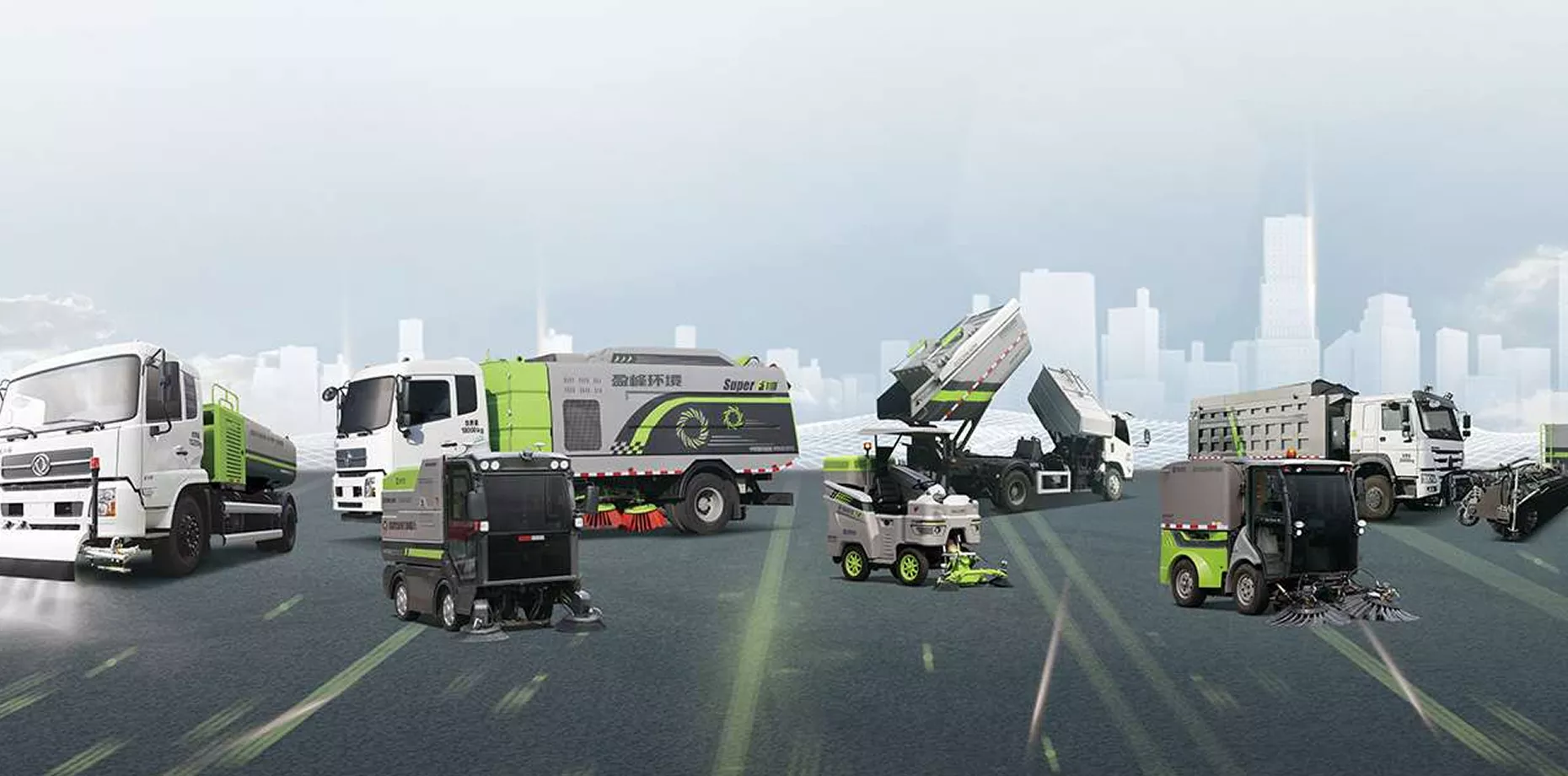
Sanitation machinery including refuse trucks and road sweepers
Sanitation vehicles combine lifting, compaction, sweeping and discharge motions in demanding outdoor service.
Selection inputs

What We Need to Quote Your Sanitation Machinery Cylinder

Describe the body mechanism and operating cycle, not only the cylinder size.

CategoryRequirementsPurpose
Vehicle and functionVehicle model, compactor, lifter, tailgate, sweeper or discharge function and cylinder quantityIdentifies the mechanism and motion sequence.
Load and pressureWorking and peak load, system pressure, flow and required motion timeConnects force and speed to the hydraulic circuit.
DimensionsBore, rod, stroke, retracted and extended lengths and installation envelopeConfirms fit and required travel.
Mounts and portsMount style, pin dimensions, port thread, orientation and hose routingPrevents interface and clearance problems.
Duty and contaminationCycles per shift, dwell time, waste exposure, dust, moisture, washdown and temperatureGuides seal, wiper and surface protection review.
Engineering review

Fit, Cycle and Contamination Review

Provide the body drawing or complete sample measurements together with the hydraulic schematic. We confirm the mounting datums, travel limits, port clearance and hose path, then review the cycle rate and contamination exposure. Replacement projects should include the existing part number and photos of the cylinder installed on the vehicle.

Send your cylinder specificationInclude drawings or measured interfaces so fit, function and hydraulic connections can be checked before quotation.
Request a Quote
Buyer questions

Sanitation Machinery Cylinder FAQ

Which sanitation functions use hydraulic cylinders?

Common functions include refuse compaction, bin lifting, tailgate opening, body tipping, sweeping-head positioning and discharge motion.

What should be specified for contaminated service?

State the waste, dust, moisture, chemicals, washdown method and temperature so wipers, seals and exposed surfaces can be reviewed.

Why is cycle rate important?

Cycles per hour, movement time and dwell time affect heat, wear and circuit demand. Include the complete duty cycle in the RFQ.

What is needed for a replacement?

Send the part number, bore, rod, stroke, closed and extended lengths, mounts, pins, ports, pressure and clear installed photos.

PRODUCT
APPLICATION