


Which mining machines use hydraulic cylinders?
Applications can include loaders, excavating and handling equipment, haulage systems, dump bodies and support or positioning mechanisms.

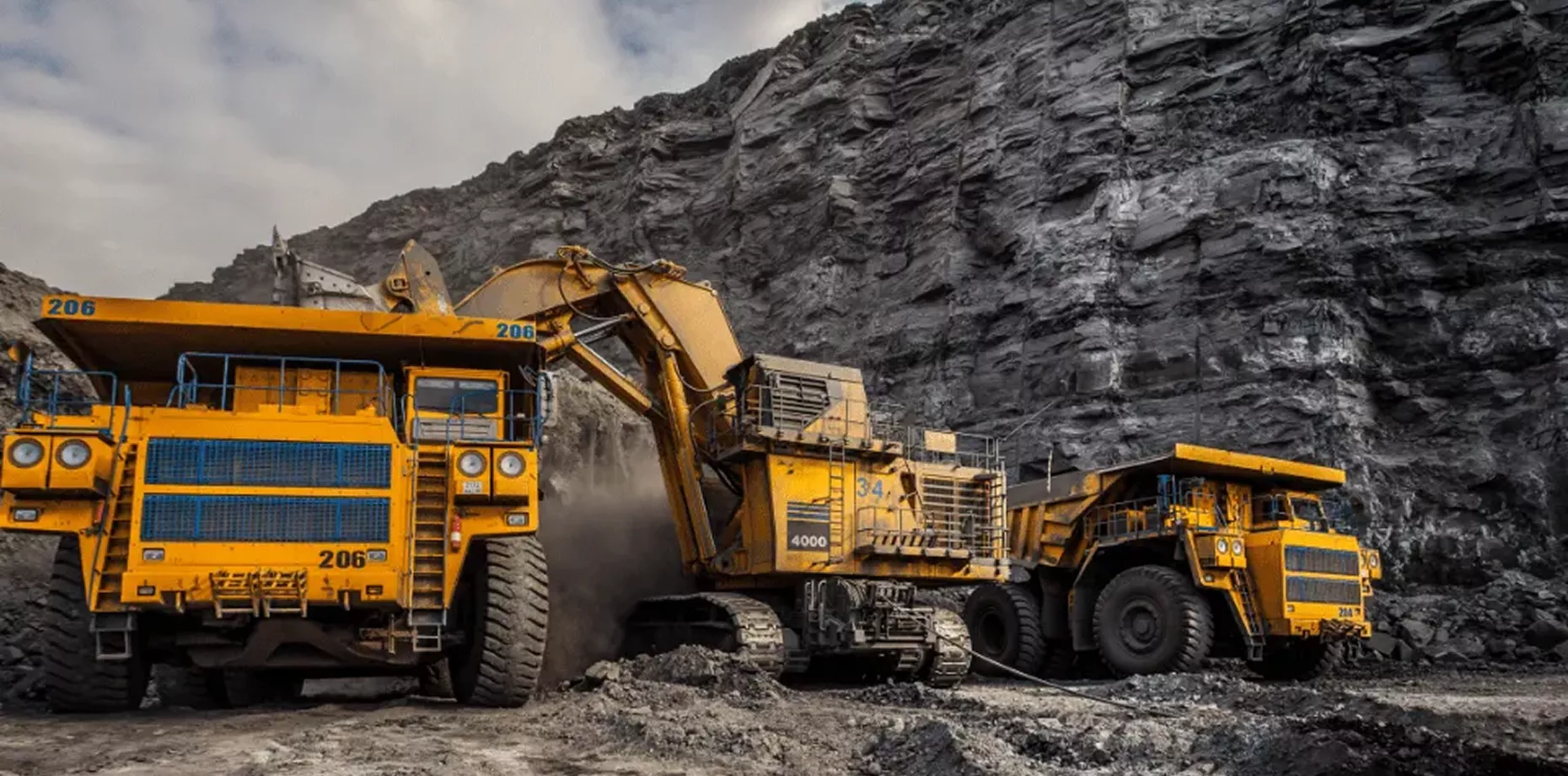
A mining machinery hydraulic cylinder works under high loads, shock, dust and long operating cycles. Bore and stroke are only part of the selection. The machine geometry, load direction, pin alignment, working and peak pressure, installed lengths and contamination exposure must be reviewed together for a new or replacement configuration.
Supply the worst operating load case and the interfaces shown on the machine drawing.
| Category | Requirements | Purpose |
|---|---|---|
| Machine and function | Loader, haulage, excavation or handling equipment model, cylinder function and quantity | Defines the mechanism and operating sequence. |
| Load and pressure | Rated, peak and shock load, working and peak pressure, flow and design margin | Supports force, stability and duty review. |
| Stroke and geometry | Stroke, closed and extended lengths, cylinder angle and linkage dimensions | Shows the load path through the full motion. |
| Mounts and alignment | Pin, clevis, trunnion or flange dimensions, bearing details and side-load controls | Confirms fit and alignment at the structure. |
| Mine environment | Dust, abrasive material, moisture, temperature, fluid, cycle rate and service access | Guides sealing, guarding and surface-treatment discussion. |
Send the machine assembly drawing, hydraulic schematic and load information for the most demanding operating condition. We confirm mounting datums, pin interfaces, rod-end geometry, port access and hose clearance. For a replacement, include wear observations and installed photos so alignment or side-load issues are not copied into the new unit.
Applications can include loaders, excavating and handling equipment, haulage systems, dump bodies and support or positioning mechanisms.
No. The cylinder load depends on linkage geometry, cylinder angle, pressure, friction, acceleration and the most demanding operating condition.
Provide the dust type, exposure level, cleaning method and service interval so rod protection, wipers, seals and guards can be reviewed.
Confirm all dimensions, pin and mount wear, port orientation, pressure, load direction and side loading before approving the replacement drawing.