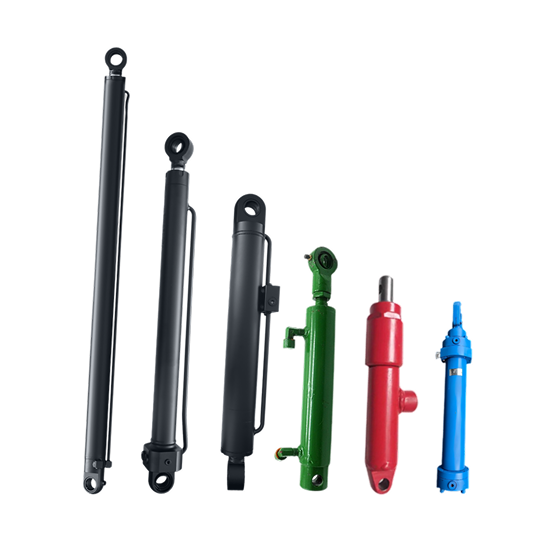
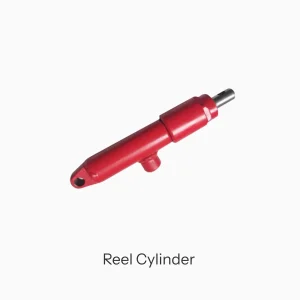
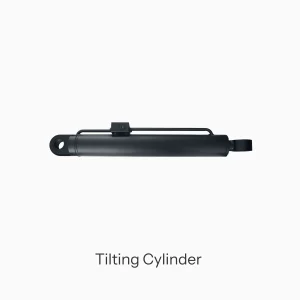
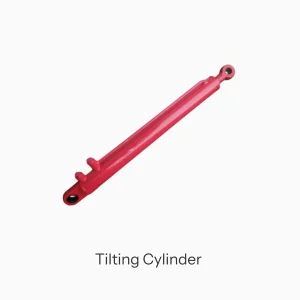
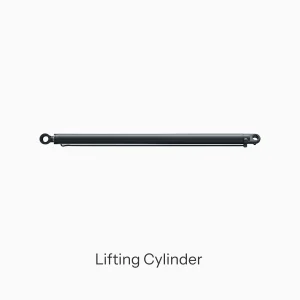
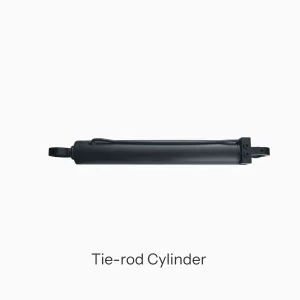
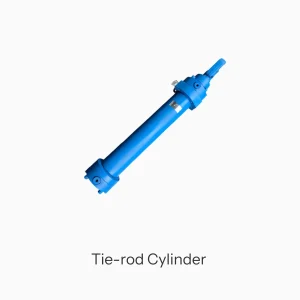
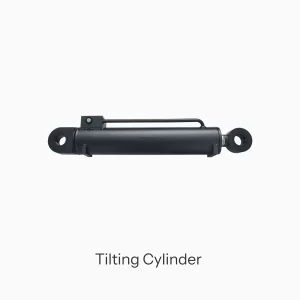
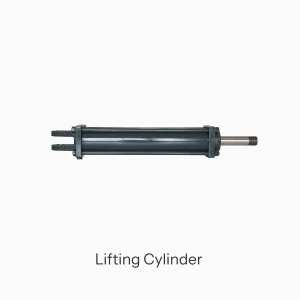
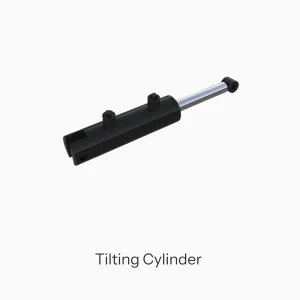
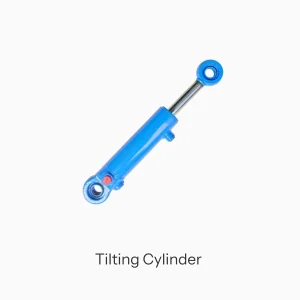


Which machines can use these cylinders?
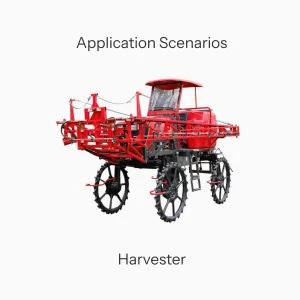
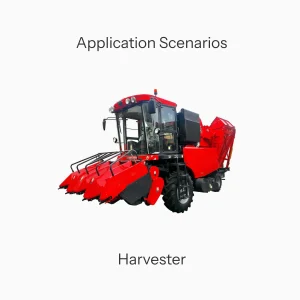
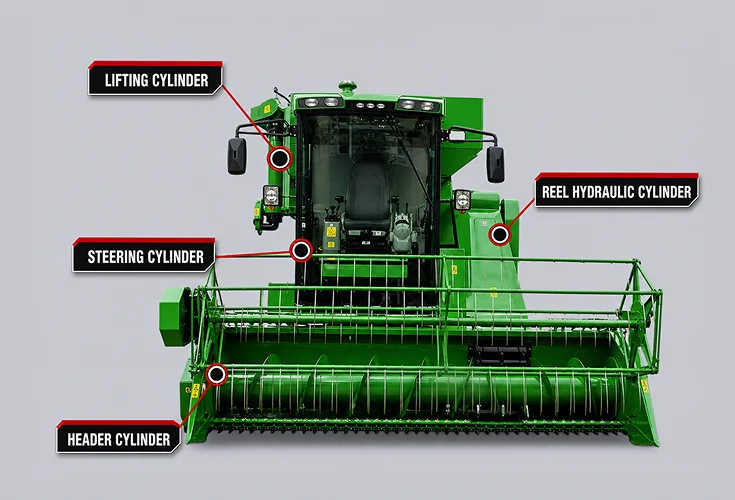
Common applications include tractors, combine harvesters, balers, loaders and folding or lifting implements. The cylinder is configured for the specific mechanism.

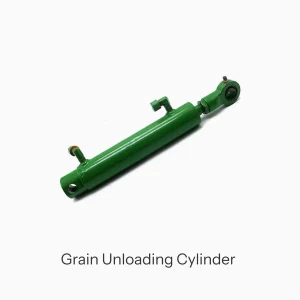
An agricultural machinery hydraulic cylinder operates lifting, steering, folding and positioning functions on tractors, harvesters and implements. For a new or replacement unit, confirm the machine function, load direction, stroke, installed length, mounts, ports and available pressure together. This keeps the configuration focused on the real mechanism instead of bore size alone.
Send the information below so the cylinder can be reviewed for both fit and field duty.
| Category | Requirements | Purpose |
|---|---|---|
| Machine and function | Machine model, lifted or moved assembly, cylinder quantity and motion direction | Defines the load path and operating sequence. |
| Force and pressure | Working and peak load, available working pressure and required design margin | Connects required force to bore and rod selection. |
| Travel and dimensions | Stroke, retracted and extended pin-centre lengths and available envelope | Prevents interference and end-of-stroke misuse. |
| Mounts and ports | Eye, clevis, trunnion or flange details, pin sizes, port thread and orientation | Confirms mechanical and hydraulic compatibility. |
| Field conditions | Cycle rate, fluid, temperature, dust, mud, moisture and storage exposure | Guides seal, wiper and surface-treatment review. |
Provide the approved assembly drawing or a measured sample with clear photos. We confirm mounting datums, rod-end details, port clearance, hose movement and the required acceptance checks before releasing a production drawing. For outdoor machines, include the expected contamination and corrosion exposure rather than describing the duty only as agricultural.
Common applications include tractors, combine harvesters, balers, loaders and folding or lifting implements. The cylinder is configured for the specific mechanism.
No. Bore, rod diameter, closed and extended lengths, mounts, pins, ports, pressure and the actual load direction must also be confirmed.
State the fluid, temperature range, dust, mud, moisture, washdown and storage conditions so seals, wipers and exposed surfaces can be reviewed.
Send the machine model, cylinder function, drawing or sample dimensions, operating pressure, cycle rate, environment and planned quantity.