|
EN
Get a Quote

PDF/STEP

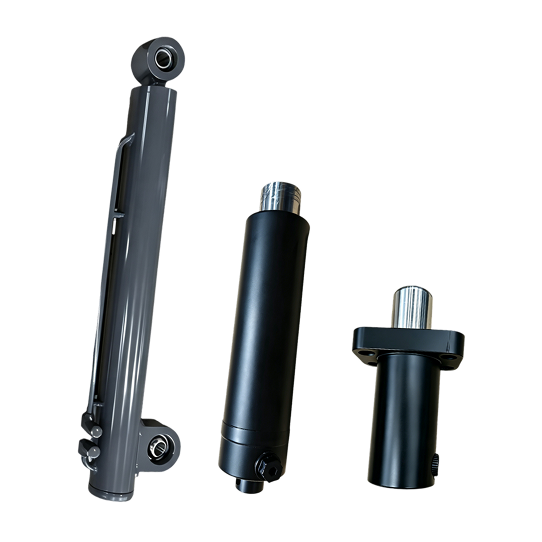
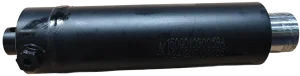
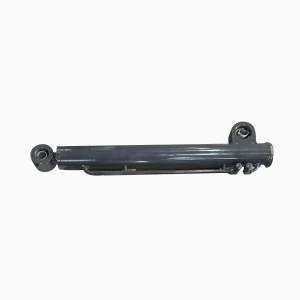
AGV LIFTING CYLINDER

Raise and lower your AGV jacking deck or load platform with a cylinder matched to payload, installed height, lift travel, mounting geometry and duty cycle.
AGV
  • Applicable Tonnage: 0.1 ~ 10t
  • Bore Diameter: 40 ~ 125mm
  • Rod Diameter: 20 ~ 80mm
  • Stroke: 50 ~ 1600mm
  • Working Pressure: 10 ~ 21MPa
Image 90 (1)
Image 91 (5)
Cc8c3d4ff16c2a6feb77582d98c215be 1 (1)
D38118d4ee75de51a6ae93b05eb4dd12 1 (1)
Subtract (1)
OEM/JDM
Contact Us
PRODUCT
DESCRIPTION
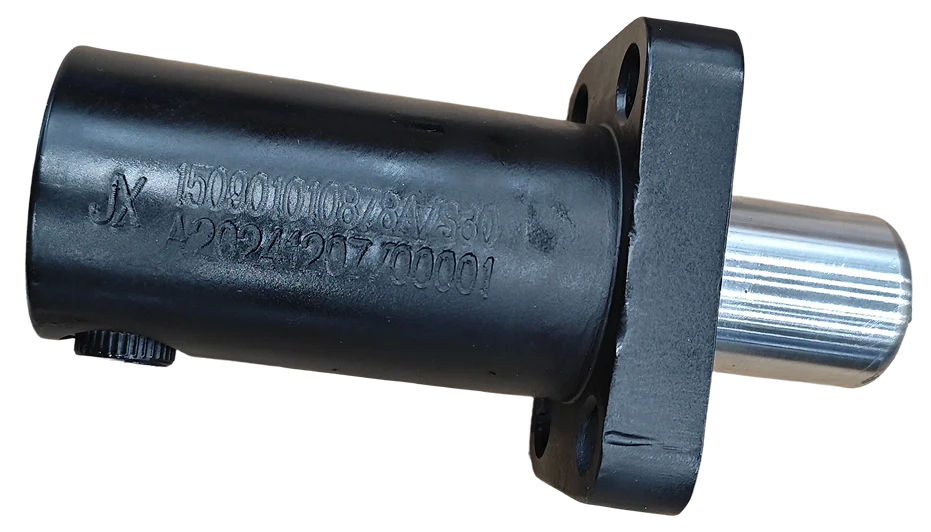
  • It is compatible with various AGV handling robots, intelligent warehousing and logistics unmanned vehicles, and lifting AGV equipment. A full range of bore diameter, rod diameter, and stroke specifications can be fully customized as needed. The operating pressure is stable and controllable, making it perfectly suited for automated operation scenarios featuring low speed, smooth motion, and high-frequency start-and-stop cycles.
  • The cylinder barrel is fabricated from premium 20# steel precision-honed seamless tubing, ensuring high inner wall precision and low running damping. It adopts an automated robotic welding process, resulting in a compact and non-deformable overall structure, smooth and quiet lifting action, and zero oil leakage during long-term frequent reciprocating operations, delivering stable performance and a long service life.
  • The piston rod is made of 45# steel base material with hard chrome plating. It can also be equipped with advanced anti-corrosion and wear-resistant processes such as Ni/Cr electroplating, QPQ treatment, and laser cladding. It is dustproof, rustproof, and features a smooth, scratch-resistant surface, making it ideal for the long-term indoor environments of clean, dry, or dusty warehouses.
  • Small hydraulic valves, speed-limiting valves, oil pipes, and installation connectors can be customized according to the equipment structure. The applicable temperature range is -25 °C to +110 °C, and customized adaptations can be made for special environments such as intelligent warehousing and unmanned workshops to meet the stringent needs of automated intelligent logistics equipment.
Compact vertical actuation

Integrate the Cylinder with Your AGV Lift Module

This cylinder provides linear motion for an AGV jacking deck, load platform or transfer interface. It is not the vehicle's steering or drive actuator. The correct configuration depends on the mass being raised, the mechanism between the cylinder and deck, the minimum installed height, required lift travel, mount alignment and available hydraulic pressure.

We review the cylinder with your mechanism drawing rather than selecting it from payload alone. Send us the AGV model, exact lifted assembly, cylinder quantity, load position, retracted and extended installation dimensions, lift time, cycle rate and hydraulic schematic. You can then confirm the interface before we quote or release a production drawing.

Jacking and platform lift

For a direct-acting or linkage-driven lift, provide the minimum and maximum deck heights, cylinder orientation and every pivot dimension. The mechanism must reach both end positions without using the piston or gland as the machine stop.

Multi-point leveling

If two or more cylinders raise one platform, identify the load distribution, guide system, permitted height difference and the circuit used to synchronize motion. Equal cylinder dimensions alone do not guarantee level travel when loads or friction differ.

Load holding and locking

If the platform must stay raised after pump shutdown or during maintenance, specify the required hold condition, allowable drift and safety method. Tell us whether the design uses a pilot-operated valve, another load-holding circuit and/or a separate mechanical lock.

Replacement matching

For an existing unit, send the part number, cylinder drawing or complete removed-sample measurements. Include mount details and pin-centre or flange-reference dimensions; body length alone does not establish interchangeability.

Selection inputs

AGV Lift-Cylinder RFQ Checklist

Use the table below to describe the actual lift module. It separates cylinder sizing from the vehicle's navigation, traction and fleet-control functions, which belong on our AGV and mobile robotics application page.

InputWhat you should provideWhat it establishes
Lift-module identityAGV model, deck or transfer mechanism, exact component being raised, cylinder quantity and whether the motion is direct or linkage drivenKeeps the review tied to the lifting function rather than unrelated vehicle systems.
Load and geometryLifted mass, centre of gravity, acceleration, friction, guide arrangement, lever arms, cylinder angle and load at each support pointProvides the load path needed to review extension and retraction force.
Travel and envelopeRequired deck lift, stroke, retracted and extended reference dimensions, minimum installed height and clearance around the barrel, rod and portsConfirms that the cylinder fits throughout the complete mechanism movement.
Mounting interfacesPin sizes, clevis widths, bearing or bushing details, flange pattern, pilot diameter, fasteners, orientation and alignment tolerancesDefines the mechanical connection and helps avoid side load from misalignment.
Hydraulic circuitWorking and peak pressure, available flow, fluid, ports, valve block, hose routing and any load-holding or synchronization componentsConnects the cylinder to the required lift time, controlled lowering and hold condition.
Duty and acceptanceCycles per hour, time at raised position, ambient temperature, contamination exposure, target service interval, testing and inspection criteriaSupports review of seals, rod finish, wipers and the acceptance plan for your duty.
Safety boundary: Do not treat internal cylinder sealing as the sole means of supporting a raised load. Define the validated load-holding circuit and any mechanical restraint required by your machine risk assessment.
Drawing review

What We Confirm Before Quotation

Bore, rod and pressure

We relate the required force to the effective piston area, pressure available at the cylinder, linkage ratio, acceleration, friction and design margin. Provide both normal operating pressure and any pressure peak expected during start, stop or load transfer.

Stroke and installed dimensions

We check stroke together with retracted and extended reference dimensions. For a flange-mounted unit, identify the mounting face used as the datum; for a pin-mounted unit, provide pin-centre dimensions at both mechanism end positions.

Speed and synchronization

Give the required raising and lowering times and the pump flow available during each movement. On a multi-cylinder platform, include the guide layout, valve or flow-divider concept, sensor feedback and the maximum permitted difference between lift points.

Interfaces and verification

We record mount dimensions, ports, orientation, hose clearance, valve interfaces and any position-sensing provision on the approved drawing. Tell us which dimensional, pressure, leakage, coating and functional checks your receiving inspection requires.

Send Us Your AGV Lift-Module DataInclude the assembly drawing, payload, installed dimensions, lift travel, pressure, flow, duty cycle and hold requirement so we can review the complete cylinder interface.
Request a Quote
Buyer questions

AGV Lifting Cylinder FAQ

What does this cylinder move on an AGV?

It raises and lowers a jacking deck, load platform or transfer interface. Tell us the exact lifted assembly because the vehicle's drive and steering functions use different actuators and design inputs.

Can bore size be selected from payload alone?

No. The review also needs cylinder angle, linkage ratio, load position, acceleration, friction, available pressure and a defined margin. A platform mechanism can apply a different cylinder load than the payload value suggests.

Which dimensions are essential for a replacement?

Provide bore, rod diameter, stroke, retracted and extended reference dimensions, mount geometry, pin or flange sizes, port details and the installation envelope. Add the existing part number and clear installed photos when available.

How do multiple lift cylinders stay level?

Level movement is a system issue. Load distribution, platform guides, hydraulic flow control and sensor feedback can all affect synchronization. Send the complete circuit and the maximum permitted height difference between lift points.

Will the cylinder hold a platform up when the pump stops?

Do not assume that cylinder seals provide a safety-rated hold. Specify the permitted drift, duration and load case, then identify the validated load-holding valve arrangement and any mechanical locking device required by the machine design.

What should we send for a new project?

Send the lift assembly drawing, payload and centre of gravity, installed dimensions, required travel and timing, mounts, pressure, flow, fluid, duty cycle, environment, test requirements and planned quantity.

PRODUCT
APPLICATION