


Which sanitation functions use hydraulic cylinders?
Common functions include refuse compaction, bin lifting, tailgate opening, body tipping, sweeping-head positioning and discharge motion.

A sanitation machinery hydraulic cylinder operates compactors, tailgates, lifters, sweepers and discharge mechanisms. Selection should start with the exact vehicle function, load, travel, mounting points, hydraulic pressure and cycle frequency. Waste, dust, moisture and washdown can affect the rod and seals, so the environment must be included with the dimensions.
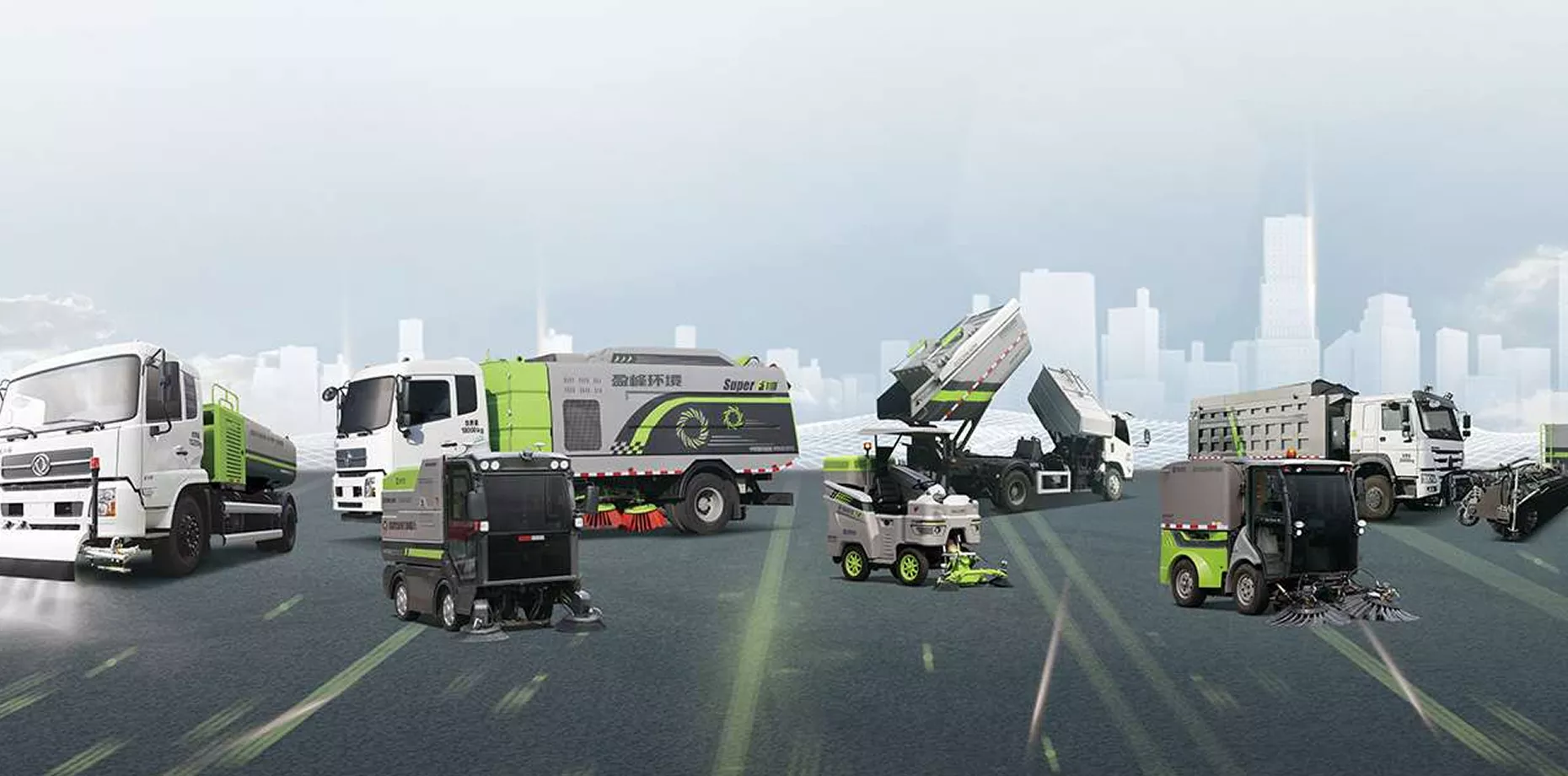
Describe the body mechanism and operating cycle, not only the cylinder size.
| Category | Requirements | Purpose |
|---|---|---|
| Vehicle and function | Vehicle model, compactor, lifter, tailgate, sweeper or discharge function and cylinder quantity | Identifies the mechanism and motion sequence. |
| Load and pressure | Working and peak load, system pressure, flow and required motion time | Connects force and speed to the hydraulic circuit. |
| Dimensions | Bore, rod, stroke, retracted and extended lengths and installation envelope | Confirms fit and required travel. |
| Mounts and ports | Mount style, pin dimensions, port thread, orientation and hose routing | Prevents interface and clearance problems. |
| Duty and contamination | Cycles per shift, dwell time, waste exposure, dust, moisture, washdown and temperature | Guides seal, wiper and surface protection review. |
Provide the body drawing or complete sample measurements together with the hydraulic schematic. We confirm the mounting datums, travel limits, port clearance and hose path, then review the cycle rate and contamination exposure. Replacement projects should include the existing part number and photos of the cylinder installed on the vehicle.
Common functions include refuse compaction, bin lifting, tailgate opening, body tipping, sweeping-head positioning and discharge motion.
State the waste, dust, moisture, chemicals, washdown method and temperature so wipers, seals and exposed surfaces can be reviewed.
Cycles per hour, movement time and dwell time affect heat, wear and circuit demand. Include the complete duty cycle in the RFQ.
Send the part number, bore, rod, stroke, closed and extended lengths, mounts, pins, ports, pressure and clear installed photos.